Practical guidance on repair, refurbishment and replacement decisions for estate managers, building surveyors and facilities teams.
Budget & ProgrammeRoof Surveys & DefectsFlat RoofingMetal RoofingBy TRS RoofingPublished 5 Aug 20269 min read
Download the full guide. Get a clear, practical framework for deciding when to repair, refurbish or replace a commercial roof. Written for surveyors and estates managers.
Most commercial roof decisions start with the same questions. Is this roof still serviceable? Should we keep repairing it? Is it time to refurbish or does it need full replacement? Age alone rarely answers those questions. This framework sets out a practical way to think about repair, refurbishment and replacement so that capital decisions are based on condition and risk rather than assumptions.
Why roof age is misleading
It is tempting to plan roof investment around age alone. A roof installed twelve years ago sounds like it should have plenty of life left. One at twenty five sounds like it must be due for replacement. In practice, age is one of the weakest indicators of actual condition.
A well detailed roof that has been properly maintained, with good drainage and no history of standing water, can comfortably outperform its expected design life. A roof half that age with poor original detailing, a history of leaks, or fixings that were never checked can be failing well ahead of schedule.
What actually determines condition is maintenance history, exposure, quality of original installation and detailing, movement in the structure, and how well water has been managed at upstands, outlets and penetrations.
Base capital planning on condition survey data, not installation date. A proper survey will tell you what a spreadsheet of ages never can.
Use the Roof Remaining Life Estimator to get an early indicative view based on condition and risk factors rather than age alone.
When to repair
Repair is the right call when a defect is localised and the roof covering as a whole still has useful life left. Typical candidates include perished sealants, a failed flashing detail, a blocked or damaged outlet, a small split in the membrane, or a cracked rooflight.
These are usually inexpensive to put right if caught early. The risk with a repair only strategy is treating every issue this way indefinitely on a roof where the underlying covering is genuinely at the end of its service life.
isolated defects, otherwise sound covering, no widespread saturation.
repeat call outs to the same area — these usually signal a bigger underlying problem.
When to refurbish
Refurbishment sits between repair and full replacement. For many commercial buildings it is the option that makes the most financial and operational sense. This typically means overlaying or recovering the existing system rather than stripping back to the deck.
It suits roofs nearing the end of their service life where the structure and decking remain sound, where the building needs to stay occupied, or where budget does not stretch to full replacement. Done well, it can add fifteen to twenty years of service life at a fraction of the disruption and cost of a full strip and replace.
The key is an accurate condition survey before committing. Overlaying a roof with hidden deck or insulation problems simply delays a more expensive job.
When replacement makes sense
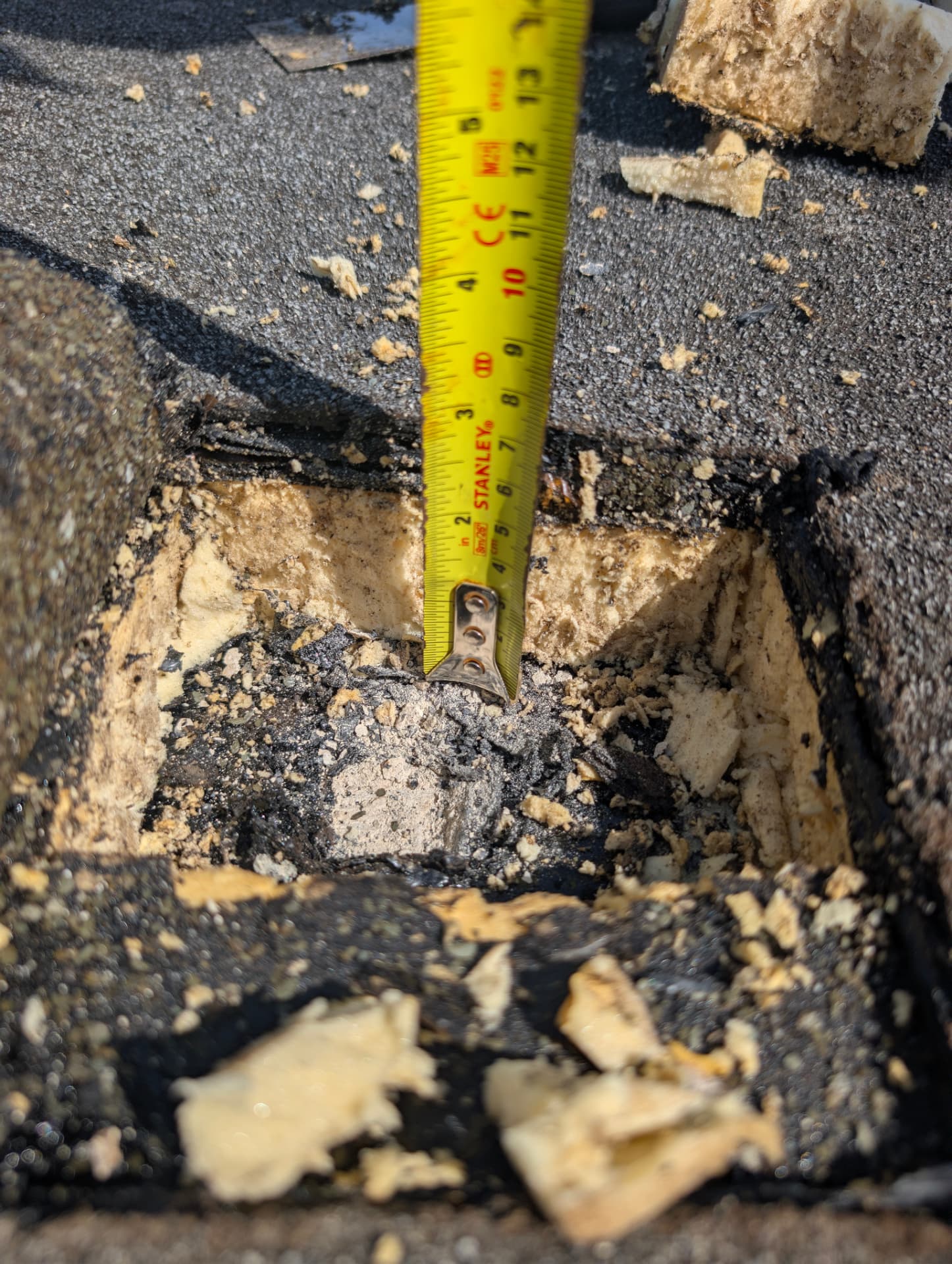
Full replacement is the right call when the decking or structure has failed, when insulation is wet or saturated, when there are already multiple layers of historic roofing that cannot be overlaid again, or when current regulations or fire performance requirements cannot be met by the existing build up.
It is also often the more sensible option once refurbishment costs start to approach replacement costs. At that point you are better off with a new system, a new warranty, and a clean maintenance record.
If a survey shows the deck and insulation are compromised in more than one area, refurbishment is usually a false economy. Get the numbers for both options before deciding.
The Roof System Selector can help you think through the most likely technical route (repair, overlay, overcladding or full replacement) based on your building and constraints.
Summer inspections
Summer is by far the best time to survey a commercial roof. Access is safer and quicker in dry conditions, defects are easier to see and photograph accurately, and there is time to plan and budget for works before winter weather makes both inspection and repair more difficult.
Estates teams that leave inspections until autumn often find themselves reacting to a leak in the middle of a storm. Building a summer inspection into the annual estates calendar, ahead of the next budget cycle, means condition data is available when capital planning decisions are actually being made.
Metal roofs
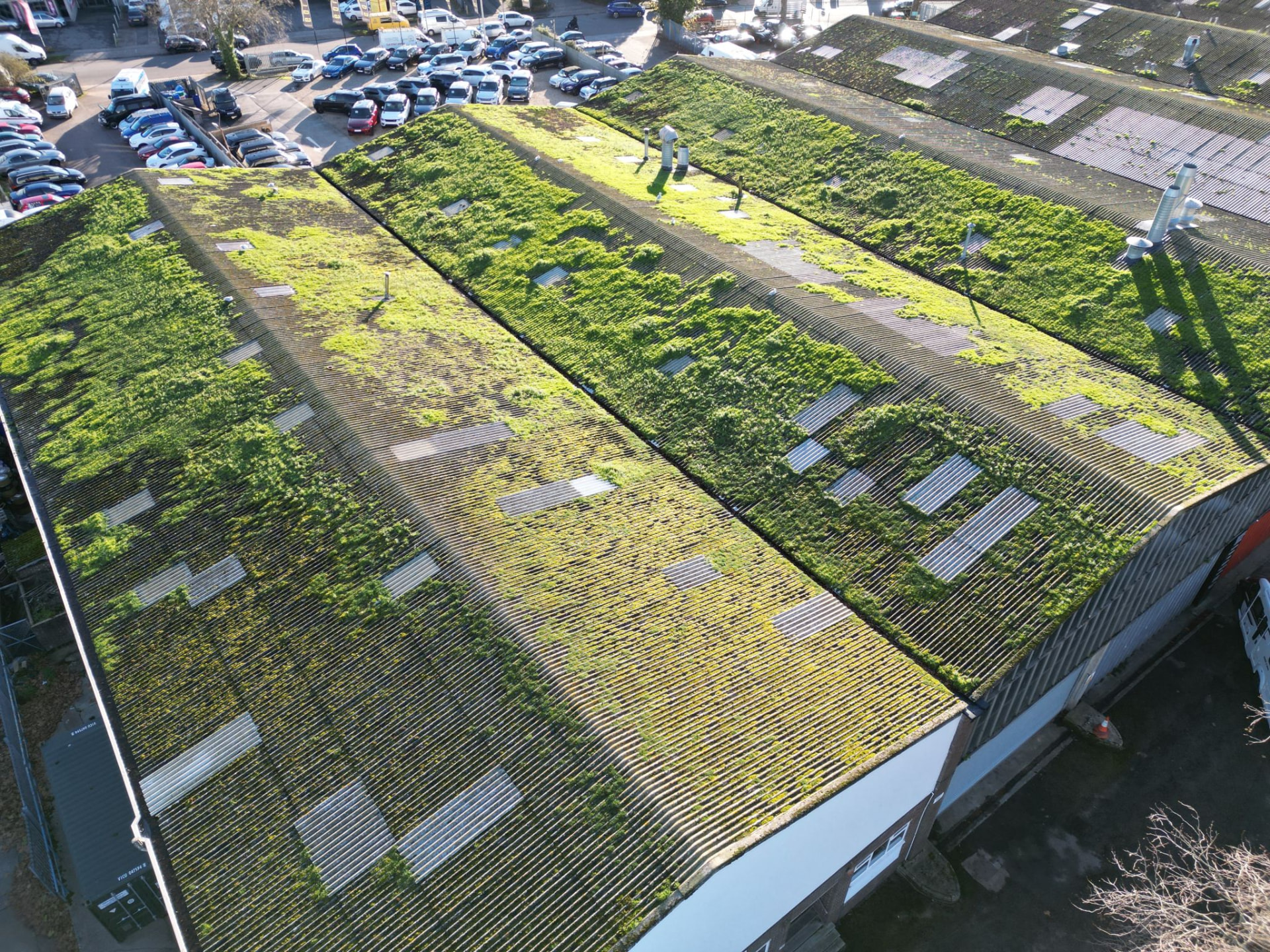
Metal roofing is common across industrial units, education buildings, leisure centres and warehousing. The most frequent issues are not with the sheets themselves but with the fixings and detailing: fastener back out, corrosion at fixing points, perished sealants at laps and upstands, and condensation forming beneath the sheet where ventilation is inadequate.
Coating degradation on older profiled sheeting is often mistaken for a sign the whole roof needs replacing. In many cases an overcladding or recoating system can restore weathertightness and appearance for a fraction of the cost of a full re-sheet, provided the structure and fixings are sound.
Need to identify an existing metal sheet profile? Use the Metal Roof Profile Finder.
Flat roofs
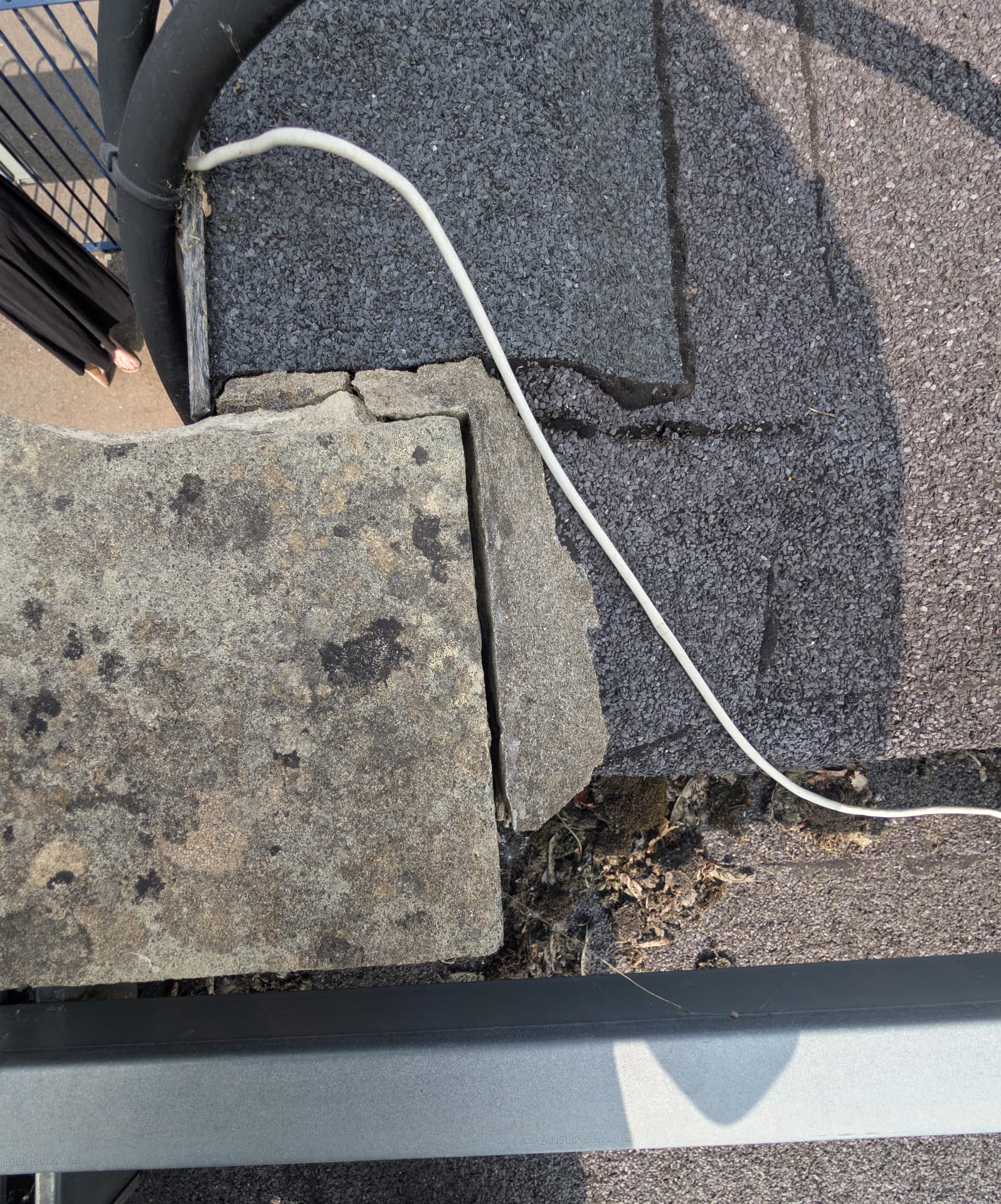
Flat roofing is the most common commercial roof type in the UK. Most failures trace back to a small number of weak points: upstands, outlets, penetrations for pipework and plant, and movement joints.
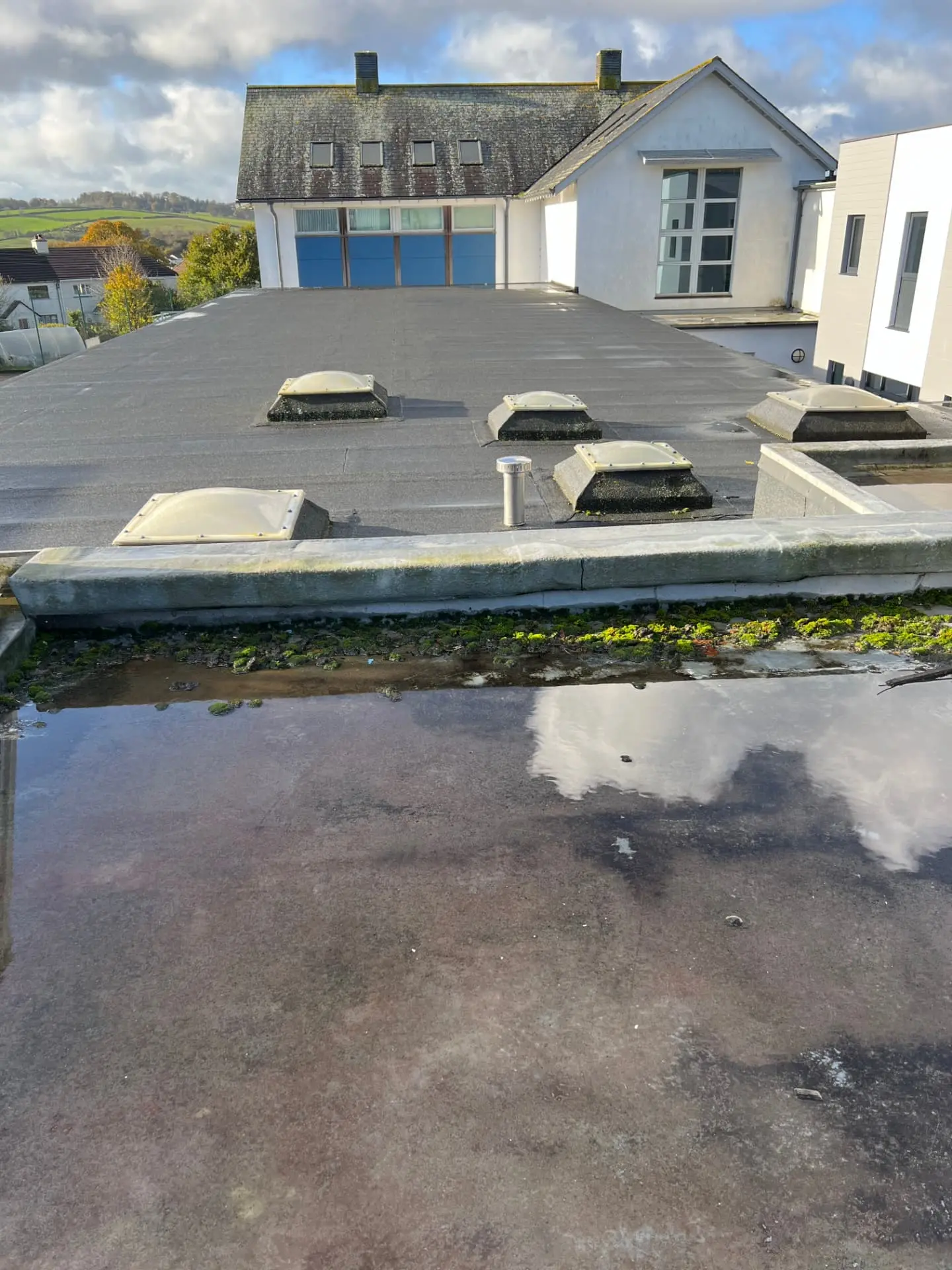
Ponding water is frequently flagged as a defect in itself, when it is usually a symptom of deck deflection or falls that were never quite right at installation. A small amount of temporary ponding after rain is not automatically a problem. Persistent ponding that never fully clears is worth investigating.
The right waterproofing system depends on the building's use, access requirements, and how much disruption can be tolerated. This is worth getting right at survey and specification stage, not after works have started.
Budget planning
Reactive maintenance nearly always costs more than planned maintenance, and the roof repair bill is rarely the biggest cost. Internal damage, business disruption, closed rooms or wards, damaged equipment and emergency call out rates all add up well beyond the cost of the roof works themselves.
A multi year planned maintenance programme, built from condition survey data, allows capital spend to be phased sensibly. Bringing a roofing contractor in early, before a scheme goes to tender, means budget estimates are grounded in an accurate understanding of the roof's actual condition.
Survey first, budget second — accurate condition data prevents both over and under estimating
Phase major works across financial years where the roof's condition allows it
Factor in access, occupancy and disruption costs, not just the roofing package price
Use the Commercial Roofing Budget & Programme Planner to build an early view of cost and programme.
Education estates
Schools, academies, colleges and universities bring a specific set of constraints. Buildings are occupied by children or students for most of the year, safeguarding requirements affect site access and contractor vetting, and the practical working window is often limited to holiday periods.
Condition survey data also increasingly feeds into wider estate reporting requirements, so a clear, well documented survey has value beyond the immediate repair decision. A contractor who understands how to plan and sequence works around term dates, and who is used to working safely around pupils and staff, materially reduces the risk of a project overrunning into term time.
Healthcare estates present some of the most demanding conditions for roofing works. Buildings are live clinical environments, often operating continuously, with infection control requirements that affect how works are sequenced and contained. Roofs above theatres, wards and critical plant carry particularly low tolerance for disruption or water ingress during works.
Successful projects on NHS estates depend on a contractor who understands these constraints from the outset: phasing works around clinical schedules, managing dust and containment appropriately, and communicating clearly with estates teams throughout. Getting this wrong does not just delay a project, it can affect patient care.
TRS Roofing carries out free roof condition surveys and provides early budget guidance before any commitment to a scheme. If you are weighing up repair, refurbishment or replacement on a building in your portfolio, we are happy to take a look and give you a straight, practical opinion.