
Public sector
Roofing for public buildings and estates
Survey-led roof repair, refurbishment and replacement for civic, emergency-service, community and publicly managed buildings. These roofs are often part of a wider estate, competing for the same capital budget, and the reasoning behind each decision has to be as clear as the cost.
TRS works with estates and property teams, consultants and building managers to establish what is actually failing, set out the options honestly, and deliver the work while the building stays in public use.
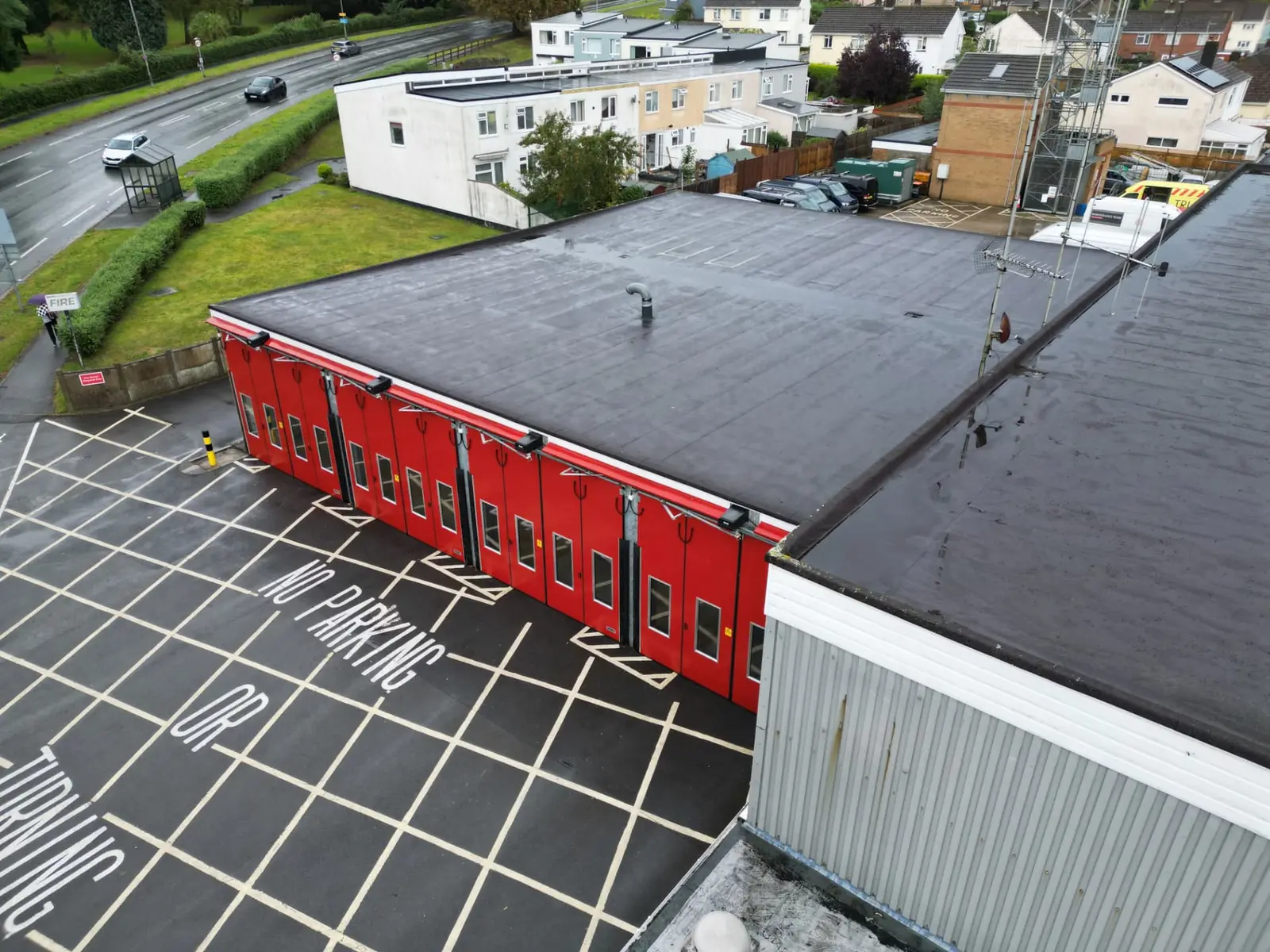
What shapes a public building roof project
Public work carries obligations that shape the project before any roof is opened up:
Buildings stay in public use. Leisure centres, libraries, depots, community halls and emergency-service stations have to keep functioning while the roof is worked on.
Decisions have to be accountable. Condition evidence, costed options and a clear reason for the chosen scope matter as much as the price itself.
Funding windows and financial year ends are fixed, so survey, specification and procurement all have to start early enough to be realistic.
Several stakeholders are involved — estates, building users, consultants and elected or executive decision-makers — each needing the same information at different levels of detail.
How TRS approaches public estate roofs
We survey before recommending. On an estate of mixed age and condition that means being explicit about which roofs need capital replacement now, which can be safely extended with a coating or targeted repair, and how spend can be sequenced across financial years.
TRS is a roofing contractor, not an independent consultancy. Our reports set out condition, options and cost so your own estates team or consultant can take the decision, and any specialist investigation such as moisture testing, core sampling or thermographic survey is undertaken or coordinated by TRS where appropriate.
Records matter on public work. RAMS are project-specific rather than generic, progress and inspection evidence is retained, and handover documentation is issued so the file can be revisited years later.
Delivering works on buildings the public uses
Public buildings rarely close for a roof. The delivery plan is built around continued access and clear records:
Protected public access
Entrances, pedestrian routes, parking and drop-off areas are kept usable with scaffold protection, signage and exclusion zones agreed with the building manager.
Emergency-service access where relevant
On buildings with appliance bays, ambulance access or emergency egress routes, those routes are kept clear and any temporary change is agreed and programmed in advance.
Phased works and possession
The roof is divided into zones so each area is closed weather-tight at the end of the shift, with noisier operations timed around the building's programme of public use.
Documentation and handover
Project-specific RAMS, progress records, test and inspection evidence and a handover pack are provided, so the asset file holds the reasoning as well as the result.
Building a defensible case for roof works
Whether the outcome is repair, coating, overlay or replacement, the case usually needs the same evidence before it goes forward for funding:
Condition, not age
A survey records what is actually failing and why. Age alone rarely justifies replacement, and it rarely survives scrutiny in a capital bid.
Whether the build-up is dry
Moisture testing and core samples, undertaken or coordinated by TRS where appropriate, show whether existing insulation and deck can be retained.
Remaining life and risk
How long the roof can be held safely, and what happens if it is not, lets estates teams rank buildings against each other rather than in isolation.
Impact on building users
What sits below, who uses it and when, and what disruption is acceptable all shape the scope and the phasing, so they belong in the specification.
Specification and procurement requirements
Where a specification, tender documentation or particular procurement route is required, the survey output is written so it can be used for that purpose.
Funding profile
Where funding is staged across years, the report sets out which roofs need capital work now and which can be extended with planned maintenance or coating.
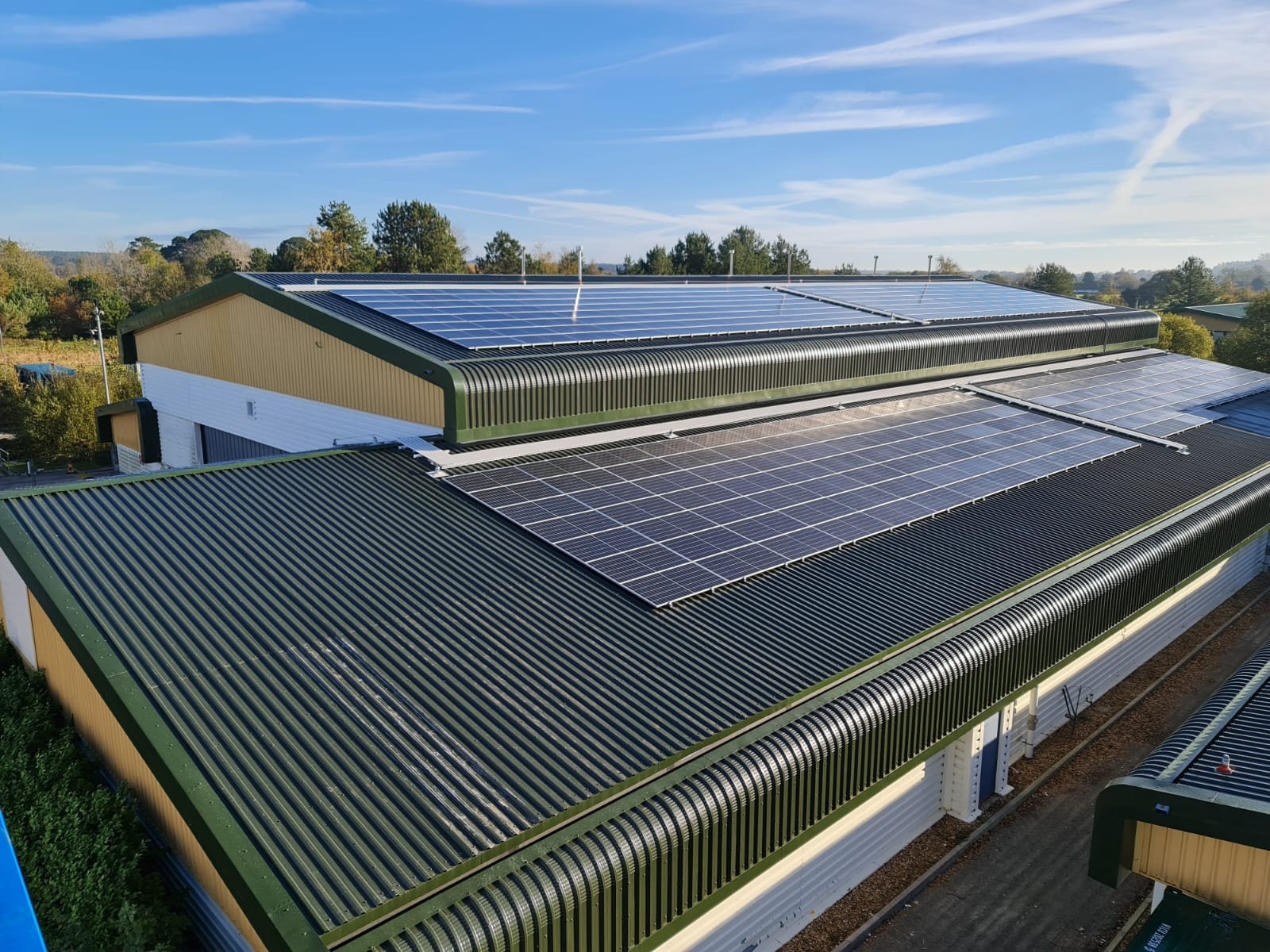
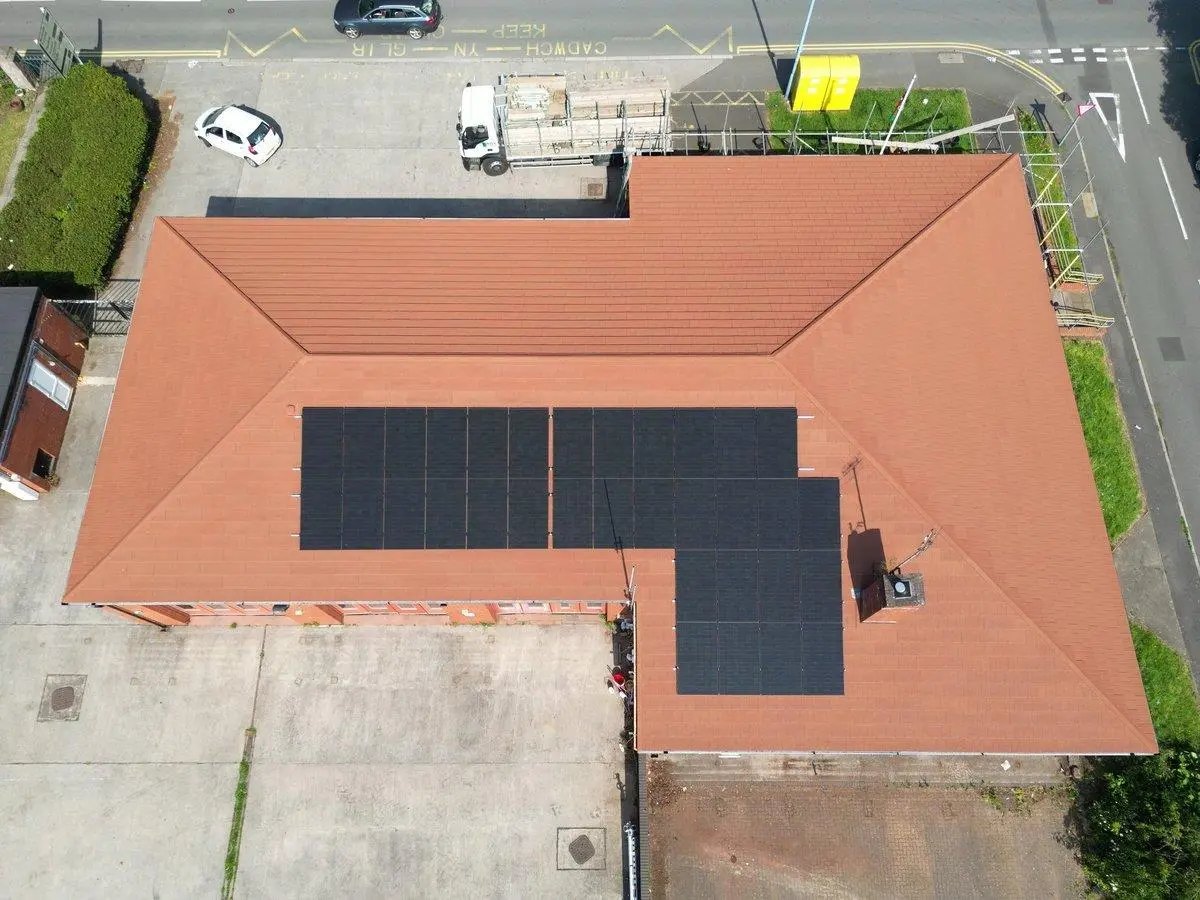
Services most often delivered on public estates
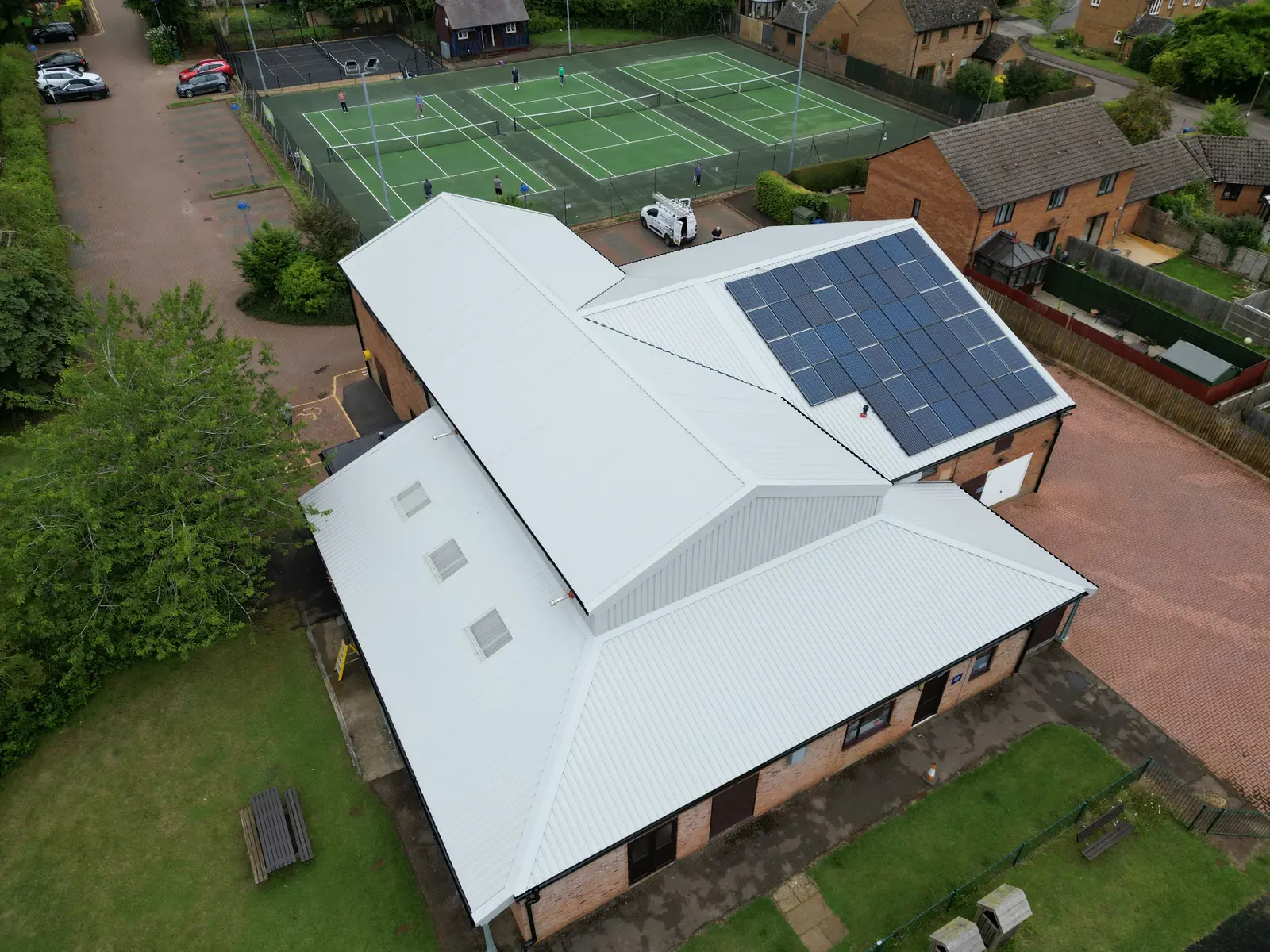
Roof Surveys
Condition and moisture surveys with costed options, written to support capital bids and planned maintenance programmes.
View service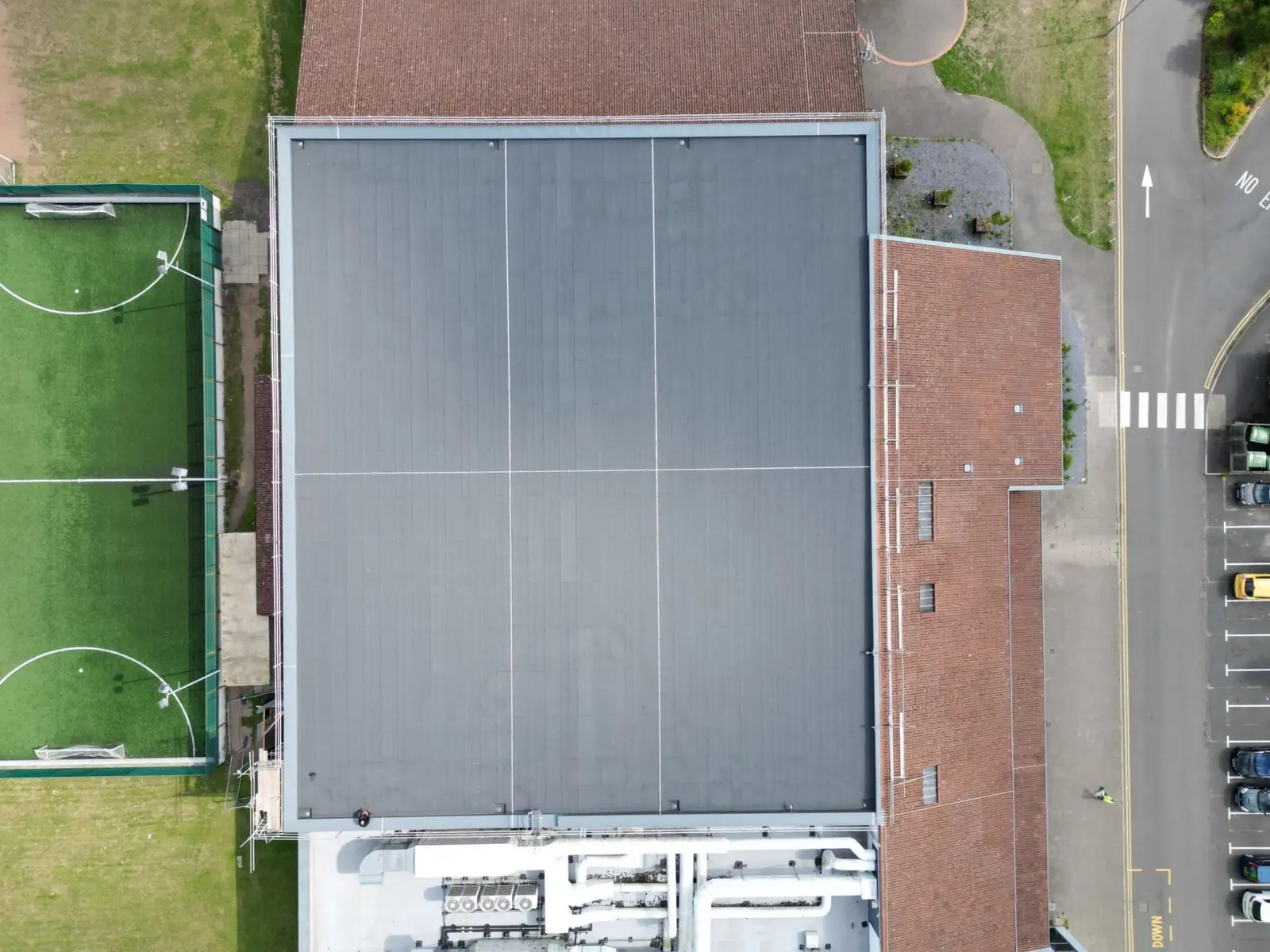
Flat Roofing
Refurbishment and overlay of felt, single ply and hot melt roofs across estates of mixed age and condition.
View service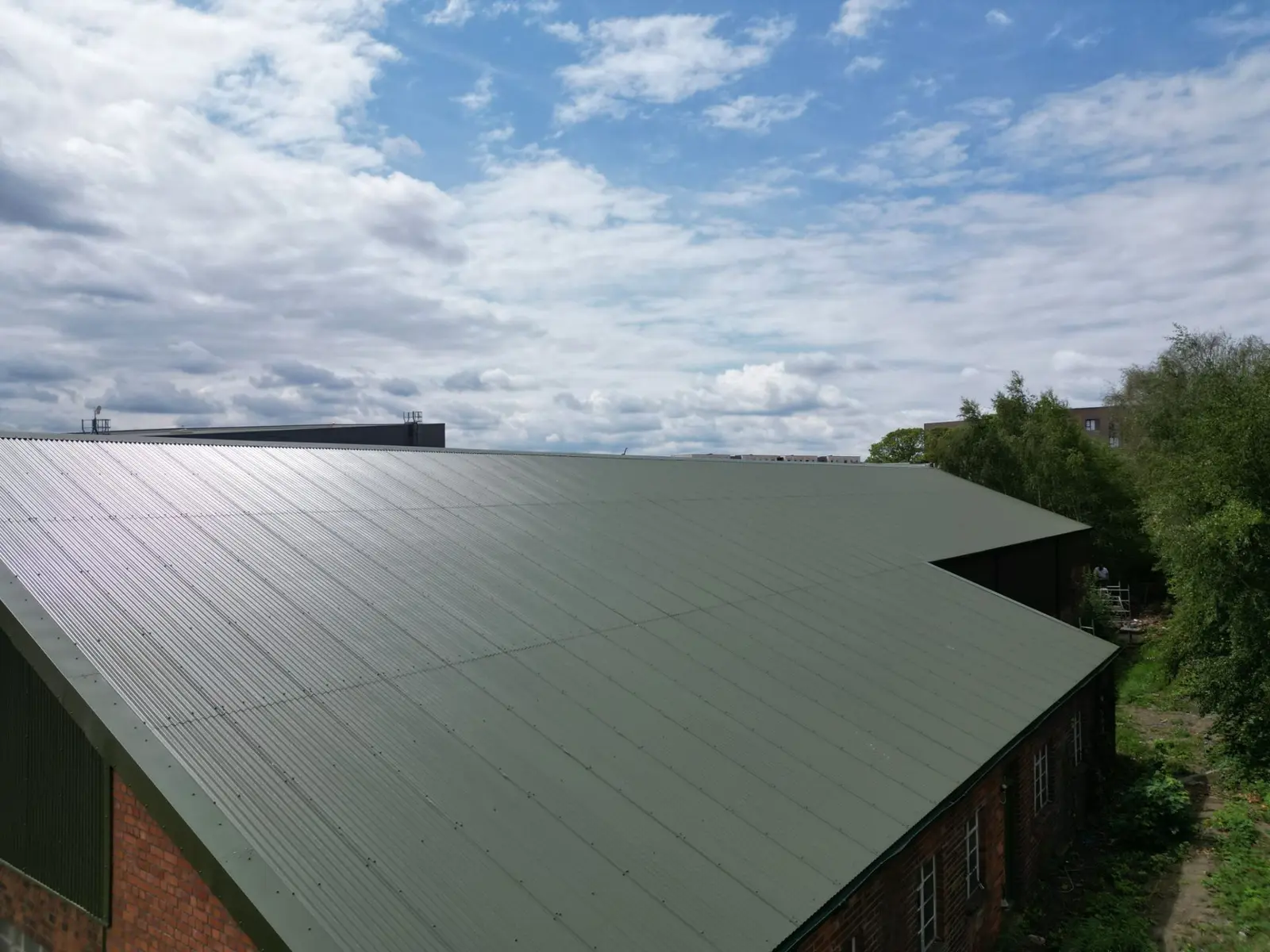
Metal Roofing
Sheet replacement, over-cladding and cut-edge corrosion treatment on depots, workshops and leisure buildings.
View service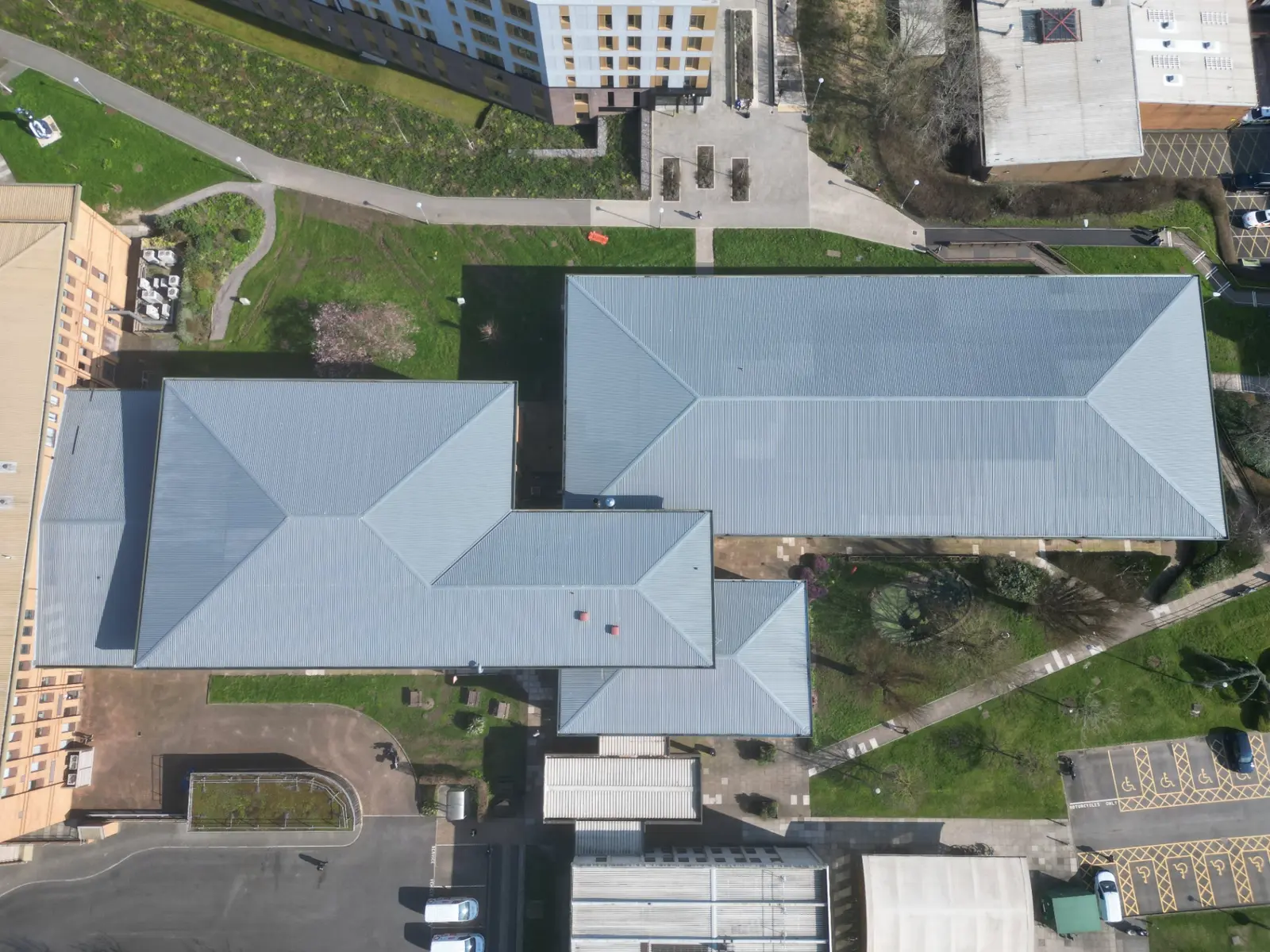
Roof Coating Systems
Life-extension systems where capital funding is limited but the structure remains serviceable.
View service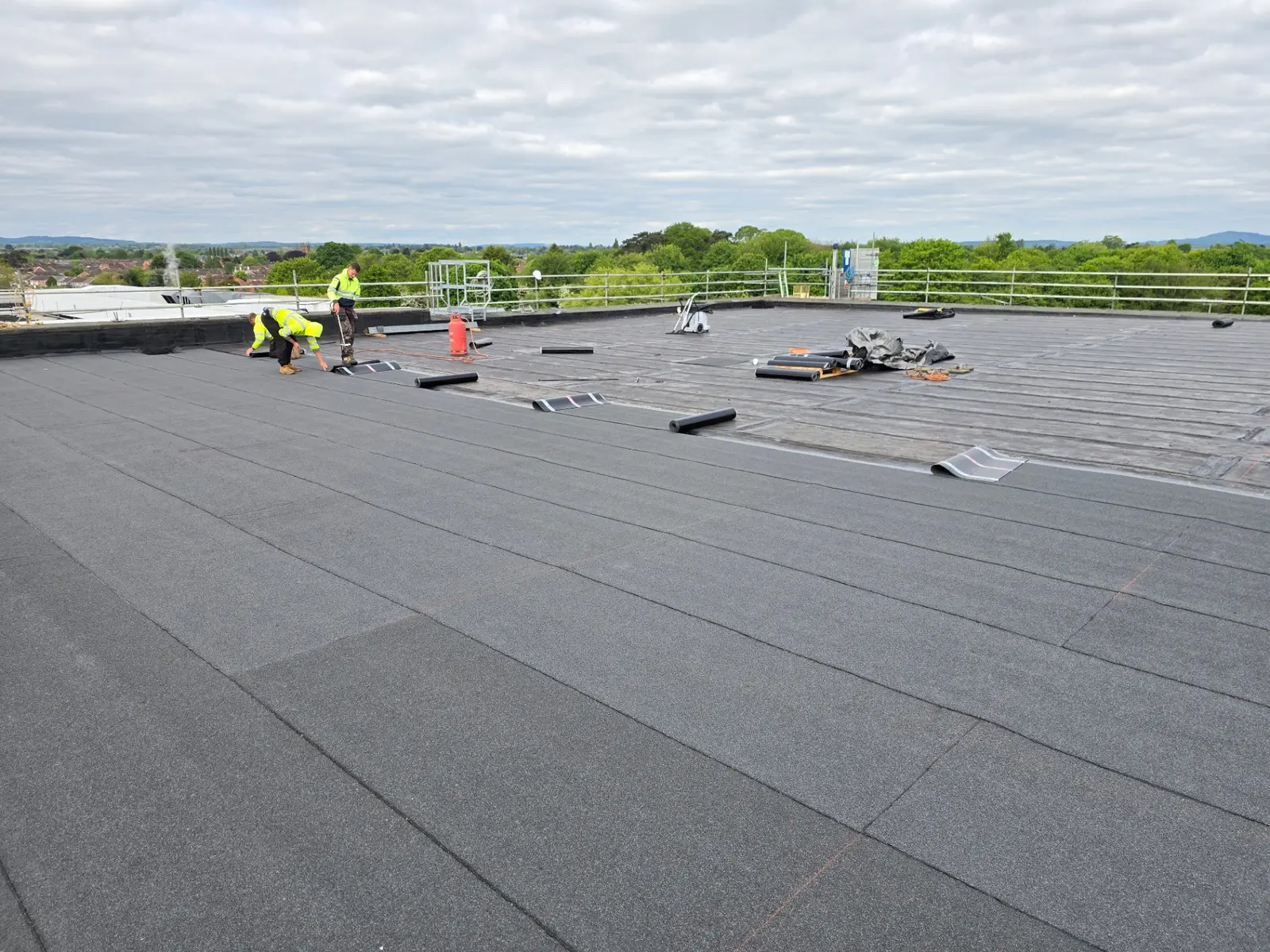
Roof Maintenance & Repairs
Planned and reactive works that keep multiple buildings watertight between larger capital projects.
View service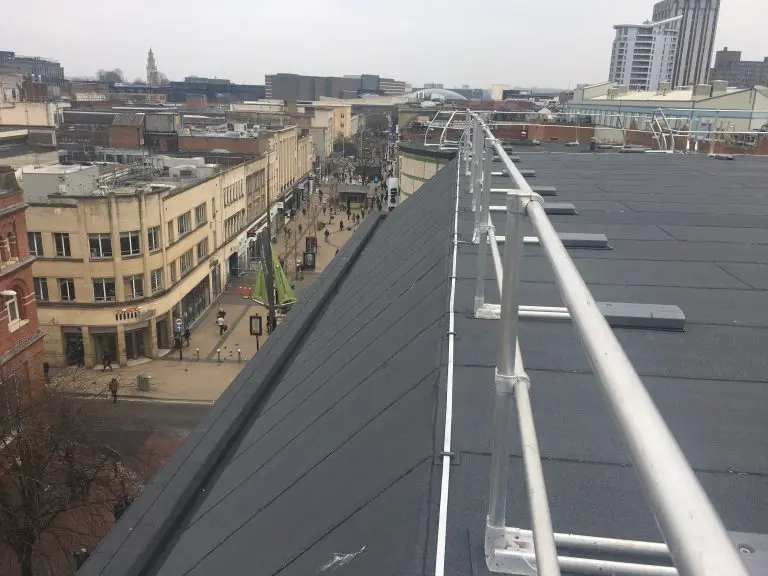
Roof Safety Systems
Access, guardrails and anchor systems so in-house teams can inspect and maintain roofs and plant safely.
View service
Guidance for public estate roof decisions
Technical articles on condition assessment, guarantee options and refurbishment choices across mixed estates.
View all Knowledge articles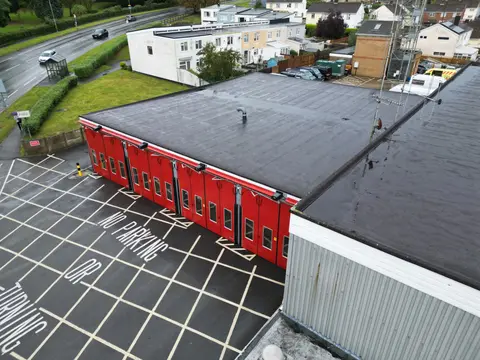
Public building roofing questions
Civic and community buildings, leisure centres, depots and workshops, emergency-service premises and other publicly managed property. Healthcare estates are covered separately on our Healthcare page, and schools and colleges on the Education page.
We do not claim framework membership on this site. Where a framework, dynamic purchasing system or specific procurement route is involved, tell us which one and we will confirm whether we are able to take part before you invite a tender.
Our current accreditations, insurances and policy documents are published on the Accreditations & Policies page so they can be verified before procurement, rather than described here in general terms.
Where TRS is appointed as Principal Contractor under CDM, we deliver that role including the construction phase plan, permits, site set-up and coordination with other trades and building users. On projects where another party holds the role, we work within their arrangements.
Frequently, provided we are engaged early enough. Survey, specification, procurement and material lead-ins all take time, so early engagement is usually the deciding factor rather than the works themselves.
By zoning the roof, protecting entrances and public routes, agreeing working hours with the building manager, and closing each opened area weather-tight before the end of the shift. Where an area genuinely cannot stay in use, that is identified before the programme is agreed.
A handover pack including as-built details, applicable system guarantee documentation, maintenance requirements and test or inspection records, so the asset file stands up to later audit.
Yes. A free initial roof survey and site visit are often used to shape an early business case before any detailed specification is commissioned.
Public building roof works
Building a case for roof works?
If you need a survey-led options report, an indicative budget for a capital bid, or a contractor who can evidence compliance before tender, get in touch.