
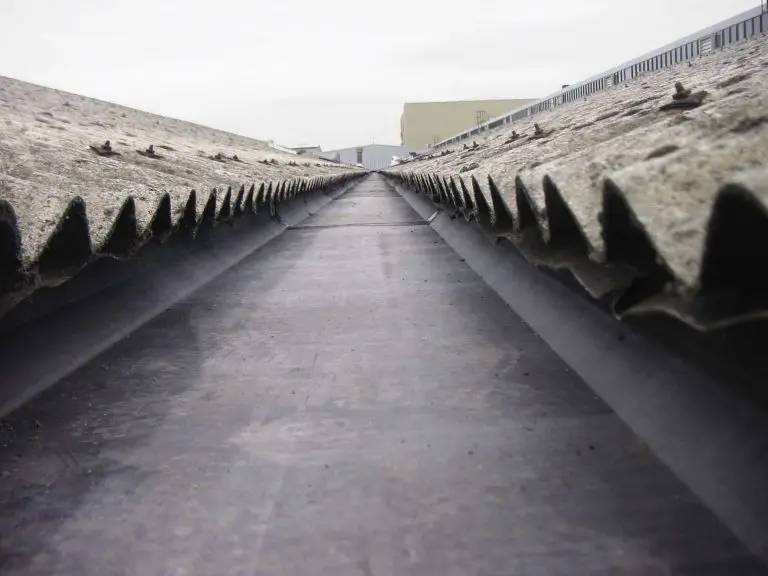
Gutters & Rainwater Systems
Commercial Gutters & Rainwater Systems
Leaking and overflowing gutters are one of the most common causes of internal water damage on commercial and industrial buildings. TRS investigates why the rainwater system is failing, then repairs, lines, replaces or redesigns it, covering gutter lining, replacement gutters, outlets and downpipes, gravity drainage assessment and syphonic drainage where it is suitable.
Introduction
Repair, line, replace or redesign?
Gutter problems are rarely caused by one thing. Overflow can come from blocked outlets, inadequate falls, corrosion, failed joints, undersized outlets or downpipes, building movement, poor interfaces with the roof, or a drainage layout that no longer matches how the roof discharges. Repair, lining, replacement and redesign are all reasonable answers, but only after the cause is established.
TRS carries out the investigation first, then sets out the options: localised repair, cold-applied gutter lining, replacement gutters in steel or aluminium, outlet and downpipe upgrades, or a drainage redesign where capacity is the real problem. Ongoing clearance and inspection sit within our maintenance and PPM service, and condition is recorded through a roof and rainwater survey.
Because rainwater goods usually sit directly above production, stock or teaching space, access, containment and out-of-hours working are planned before work starts. Much of this work is on industrial buildings where the operation below cannot stop. TRS acts as Principal Contractor under CDM 2015, is SSIP-accredited, and provides a dedicated Contracts Manager on every project.
Why it matters
Why commercial gutters overflow or leak.
What we do
Gutter and rainwater services
Our work runs from investigation and repair through to replacement and drainage redesign. No single cause is always responsible, so the scope follows the investigation rather than a standard package.
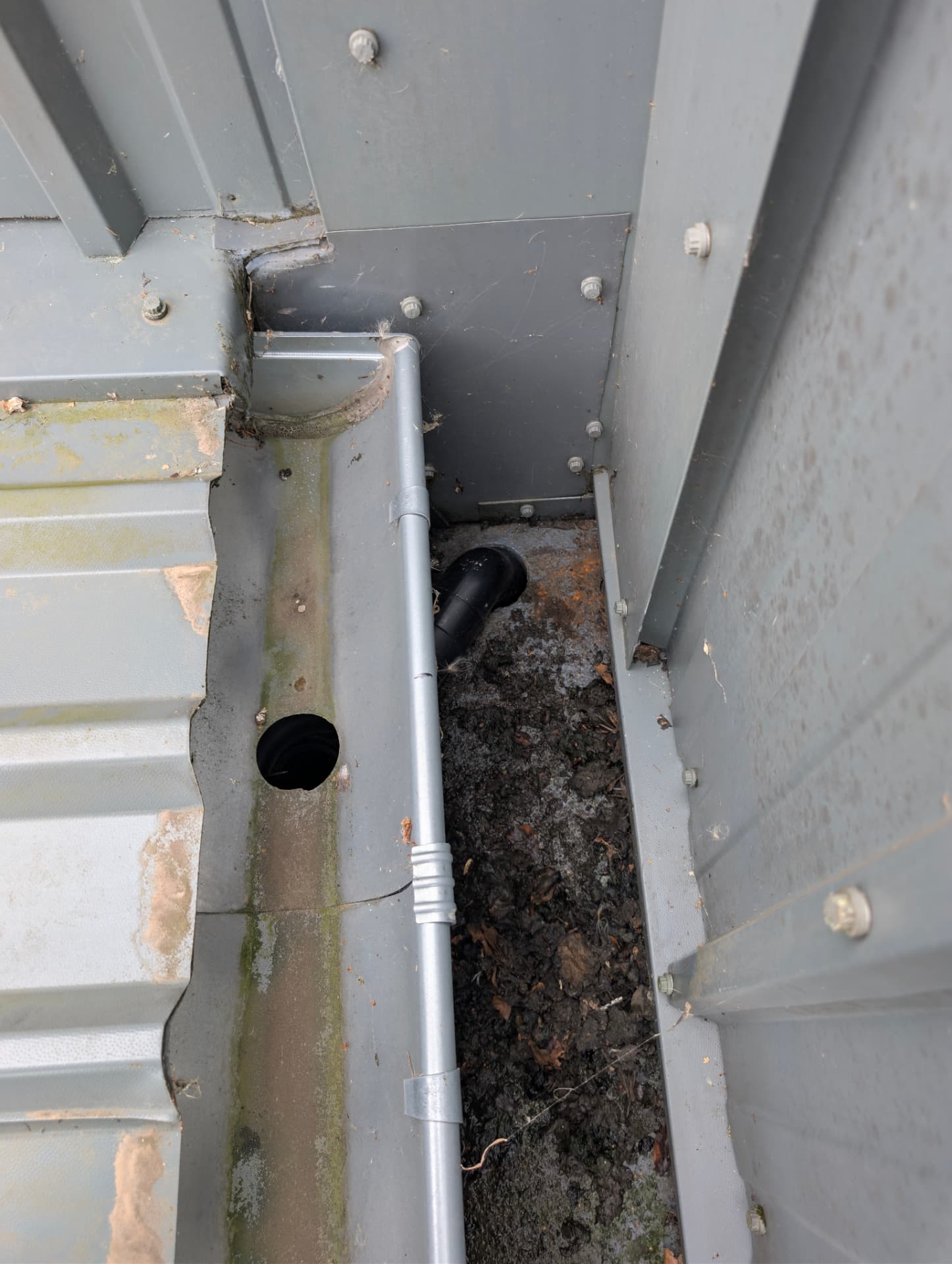
Gutter Investigation & Repairs
Investigation of leaks and overflow, including falls, outlet capacity, joint condition and corrosion, followed by targeted repairs to joints, outlets, bearers and rainwater goods where repair is proportionate.
Gutter Lining
Cold-applied GRP and liquid liners installed within the existing profile where the gutter remains structurally sound, avoiding cutting out and reducing time above the operation below.
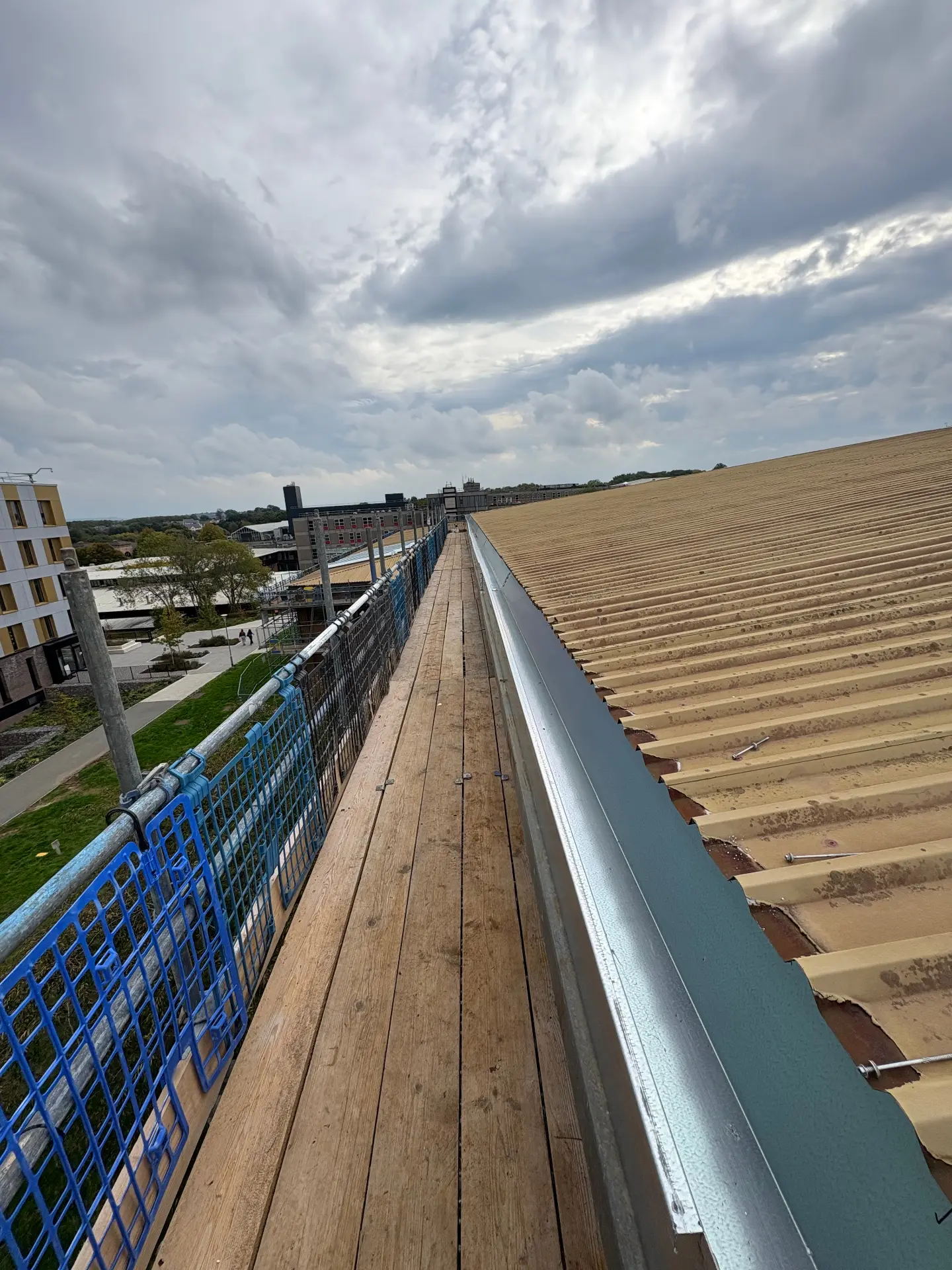
Replacement Gutters
Replacement of life-expired gutters in galvanised steel, aluminium or bespoke profiles, including continuous and site-formed options, detailed into the existing roof and interfaces.
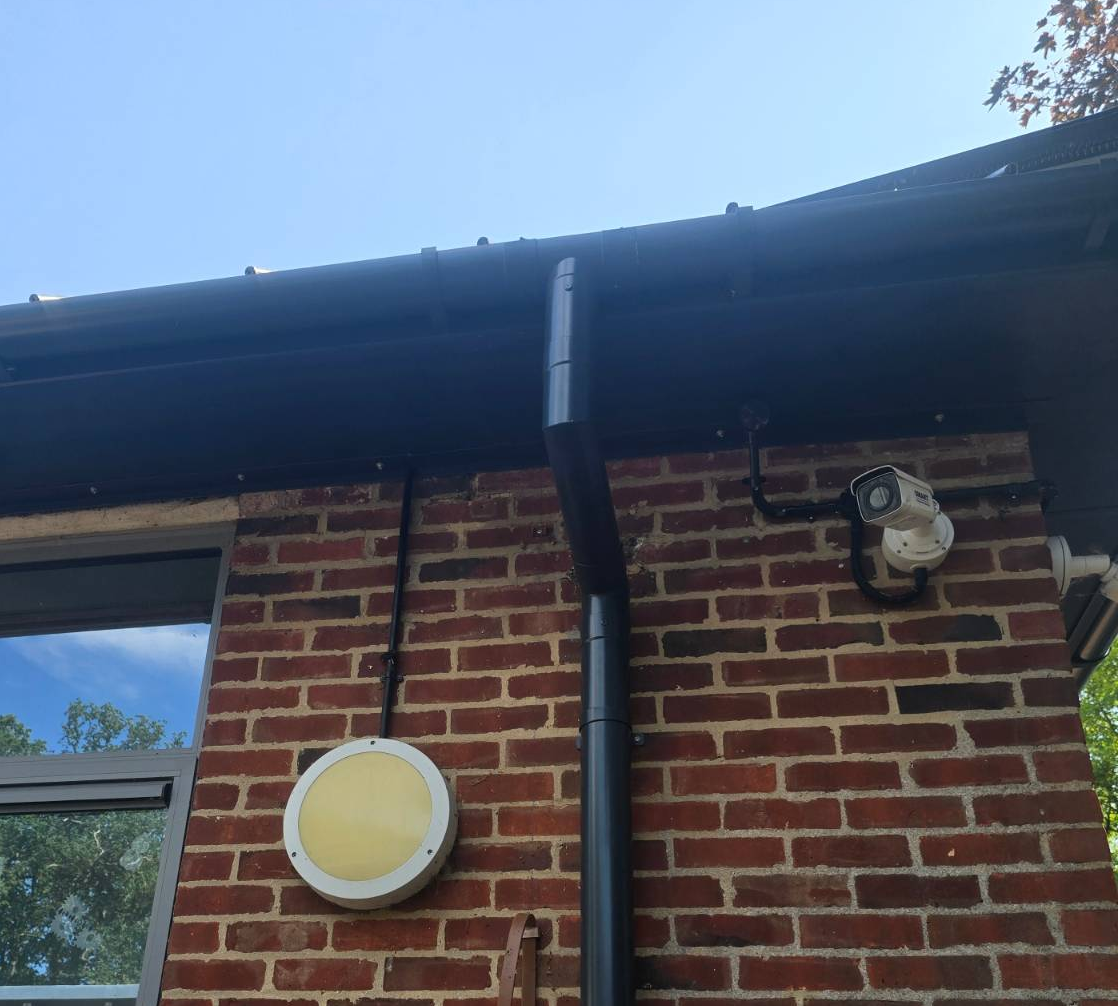
Outlets & Downpipes
Replacement and upgrading of outlets, hopper heads, brackets and downpipes, sized against roof area and rainfall intensity rather than replicating what was there before.
Rainwater Calculations
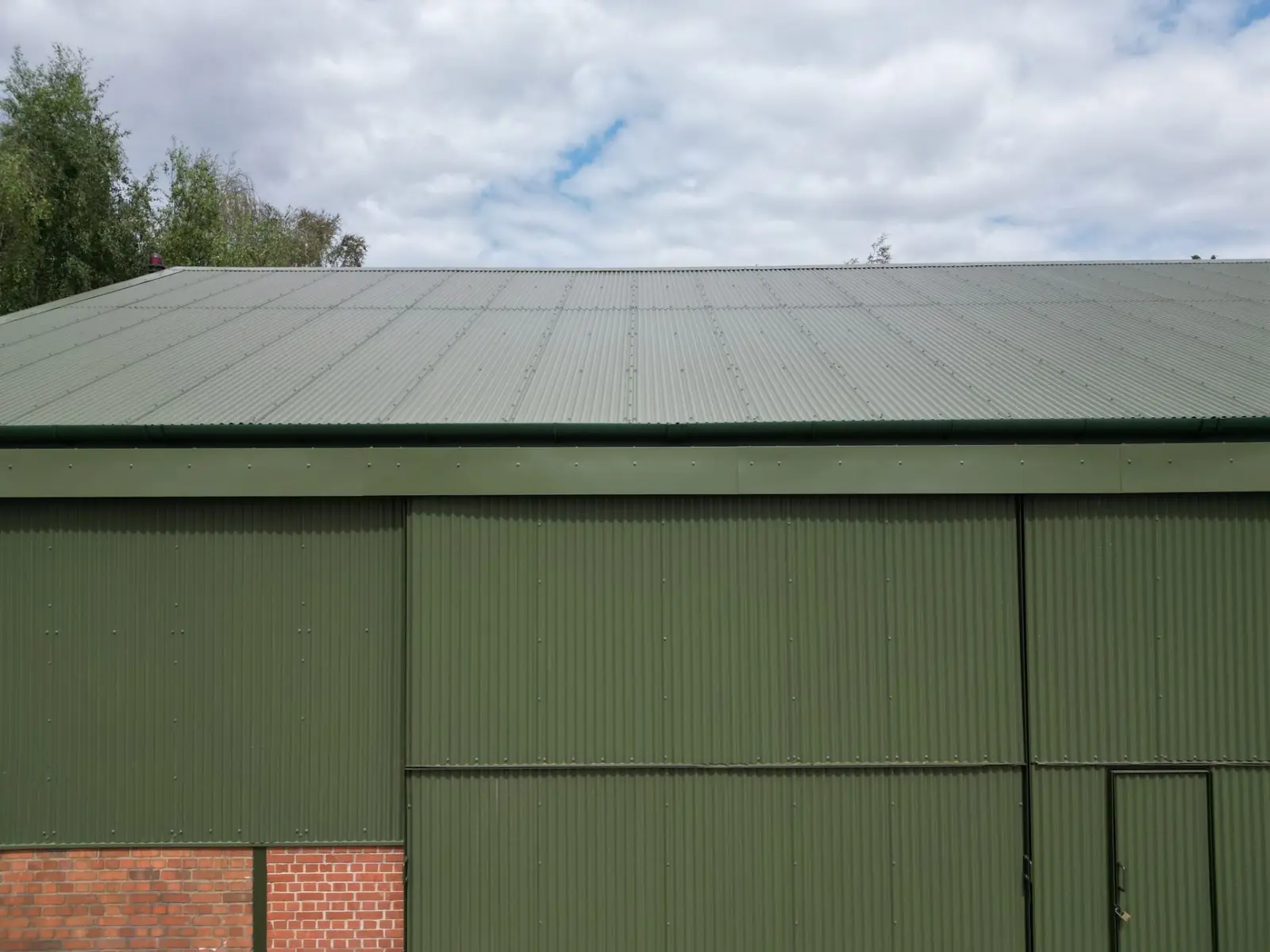
Calculation of roof area, rainfall intensity and discharge capacity to confirm whether the existing gravity layout is adequate or whether additional or larger outlets and downpipes are needed.
Syphonic Drainage Where Suitable
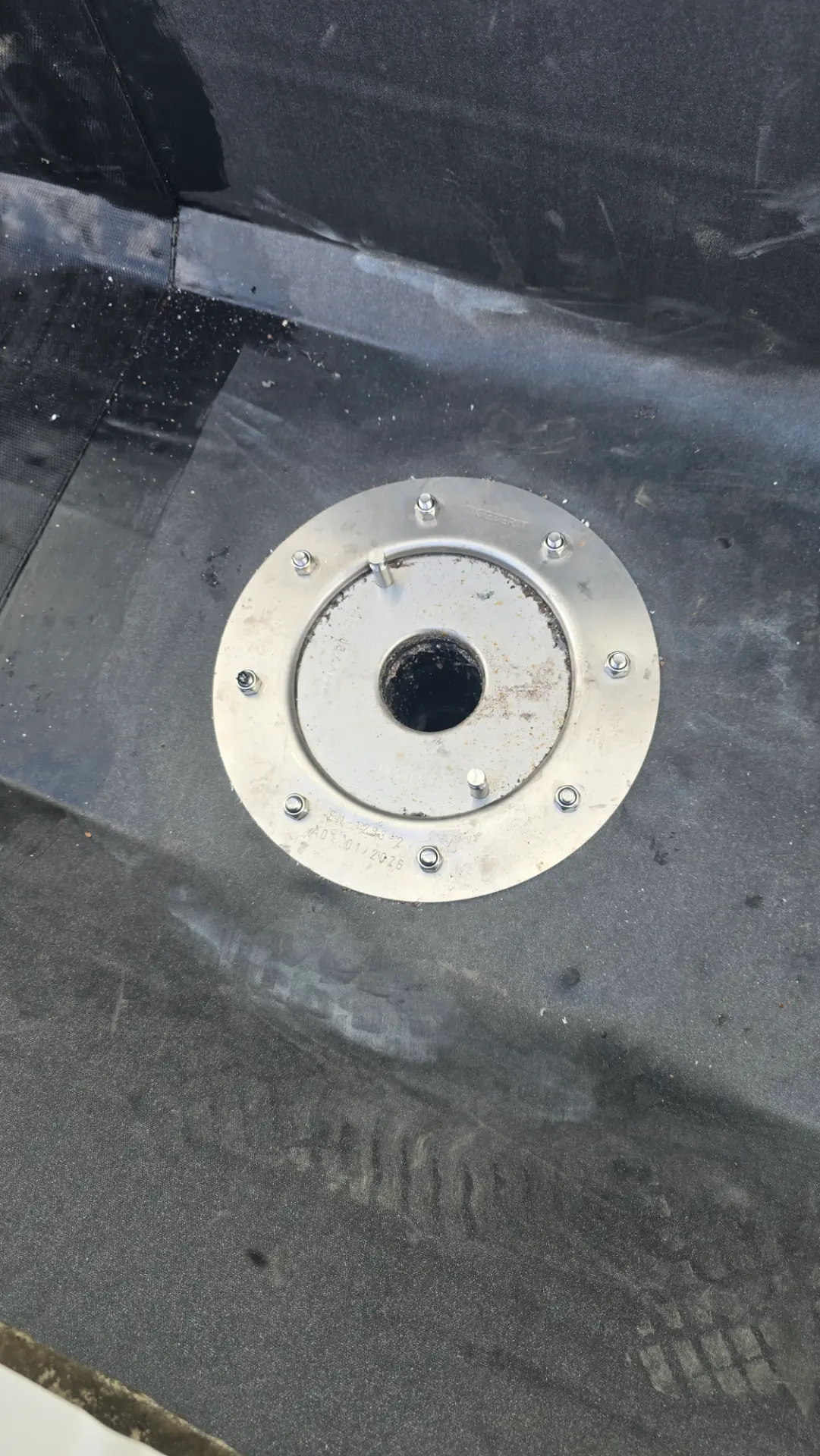
Where roof geometry, outlet arrangement and hydraulic design make it suitable, syphonic drainage can provide high-capacity rainwater removal with fewer downpipes. It is not appropriate for every building, and suitability is confirmed through hydraulic design.
Technical note
Industries we serve
Where we work on rainwater systems.
Our process
From drainage investigation to tested rainwater system.
Step 1
Condition & Capacity Investigation
Gutter condition recorded and the existing drainage layout checked against roof area and design rainfall.
Step 2
Repair, Line Or Replace Assessment
Findings used to establish whether repair, lining, replacement or redesign is the proportionate answer.
Step 3
Material & Drainage Specification
Material, finish, profile, outlet and downpipe sizing specified for the building.
Step 4
Access & Operational Planning
Access, containment and out-of-hours working planned around the operation below.
Step 5
Installation & Testing
Installed and water-tested, with joints, outlets and discharge checked in use.
Step 6
Handover
Test records, warranty documentation where applicable and maintenance requirements issued.
Why TRS
Rainwater problems diagnosed before they are priced.
Gutter work is easy to specify badly. TRS investigates capacity as well as condition, so the scope addresses the reason water is getting in rather than simply renewing what failed.
- Condition
- Investigated before pricing
- Capacity
- Considered against roof area
- Repair
- Or replacement, decided on evidence
- Testing
- Documented on completion
Principal Contractor
CDM 2015 Principal Contractor on complex live-building schemes.
Survey-Led Specification
Specifications are written for the individual roof and project objectives.
Live & Occupied Sites
Works planned and sequenced around buildings that remain in use.
Experienced Managers
Dedicated Contracts Managers on every project, one point of contact.
Guarantee Options
Where a system guarantee is available, availability and duration depend on the selected system, specification, substrate condition, preparation and manufacturer requirements.
Documented Handover
Quality checks through the works, with O&M and maintenance information at completion.
Featured projects
Recent gutters & rainwater systems projects.
public-sector
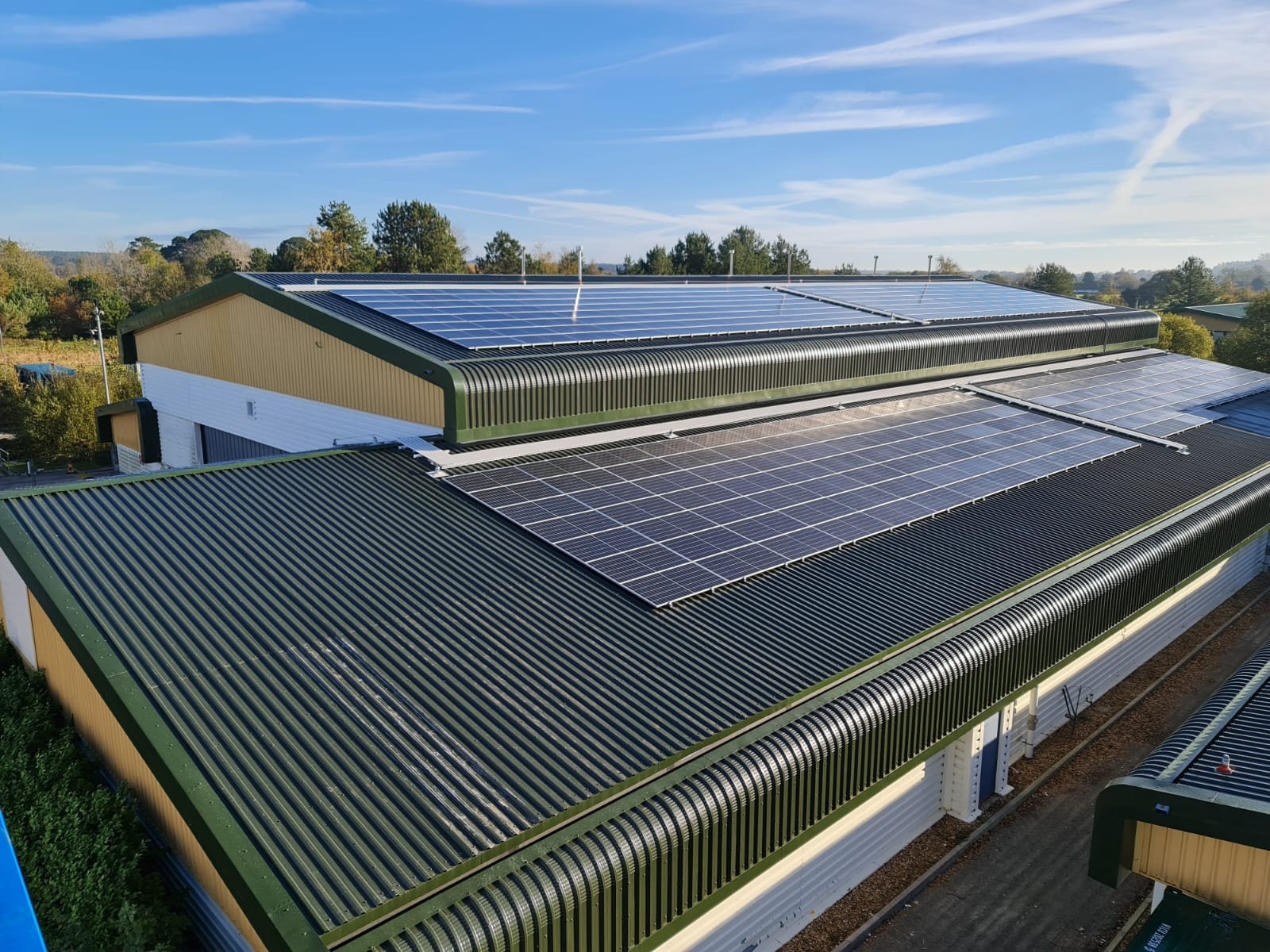
Dorset Police HQ Roof Overclad – Live Operational Site
Dorset
View project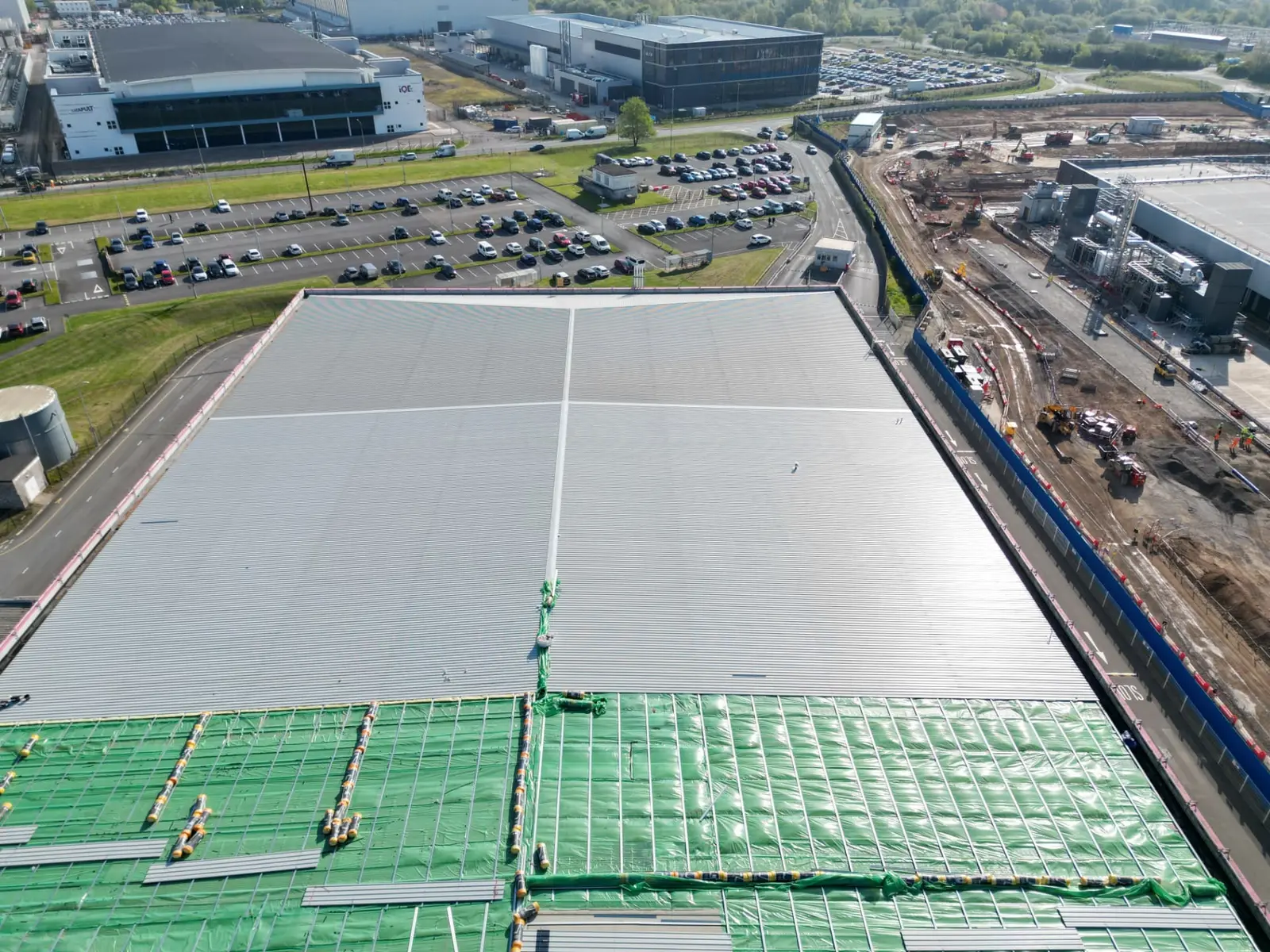
healthcare
NHS Wales Logistics Warehouse, Newport
Celtic Way, Newport
View project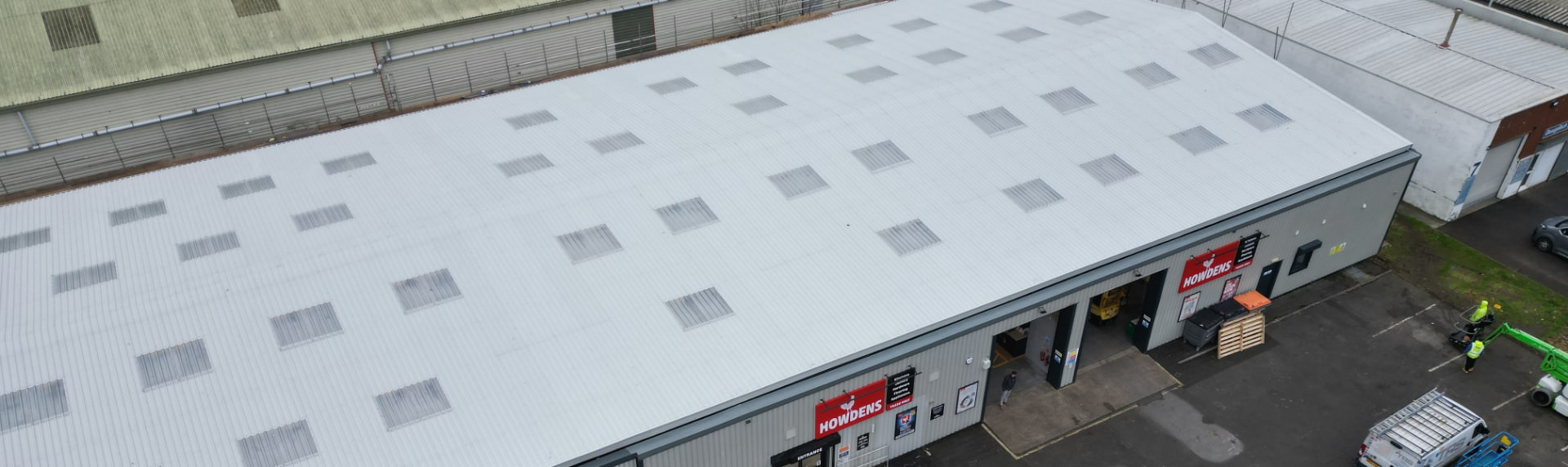
industrial
Tuffley Trading Estate Roof Overclad – Gloucester
Quedgeley, Gloucester
View project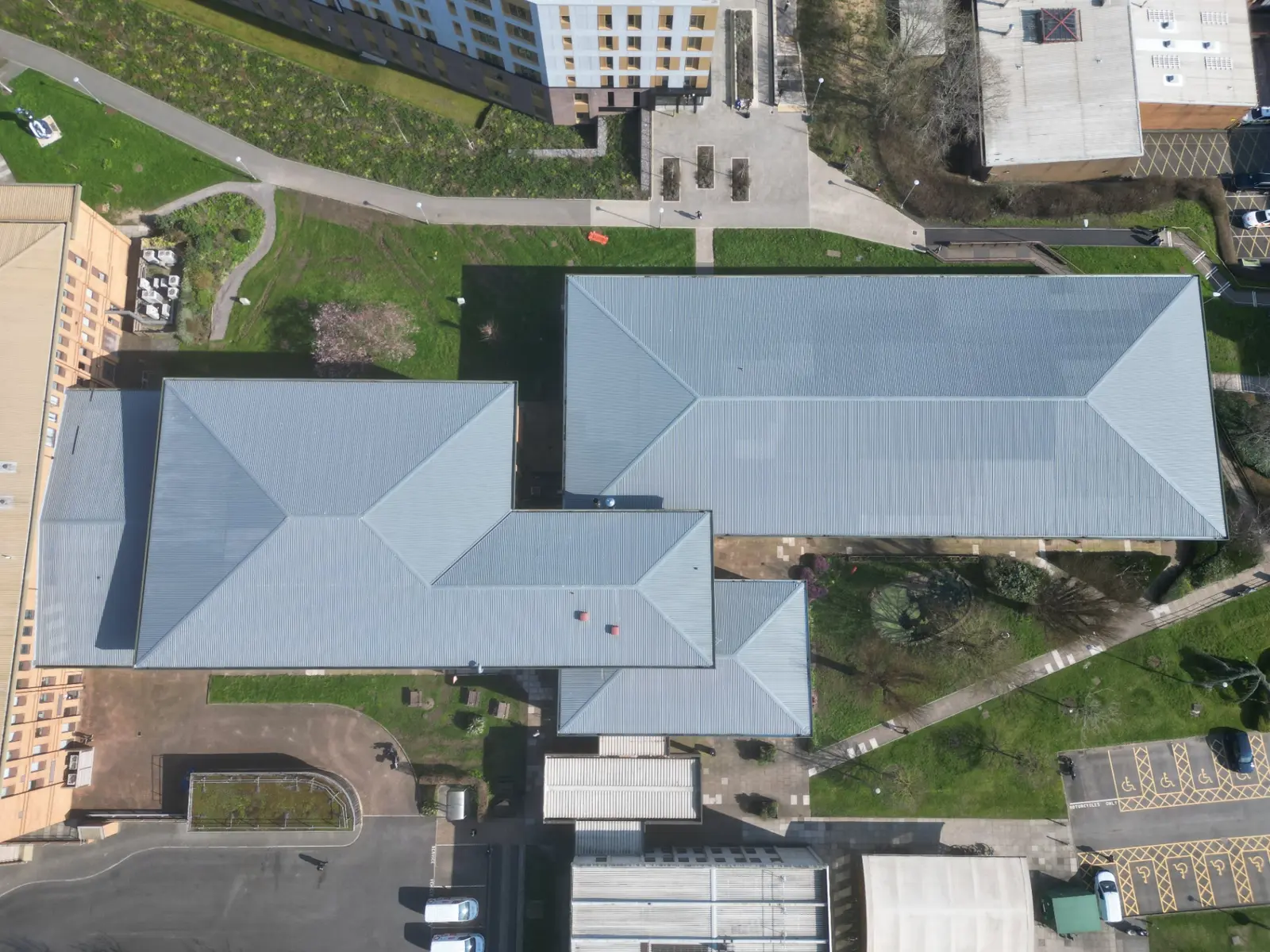
education
University of the West of England, Q Block
Bristol
View project
FAQs
Gutters & rainwater, questions we get asked.
If your question isn't here, ask our team directly on the contact page, or read the technical guidance in our knowledge hub.
- It depends on the condition of the gutter sole, joints, bearers and the substrate below. Where the profile remains structurally sound and the failure is in the waterproofing, a cold-applied liner can be a proportionate refurbishment. Where corrosion has perforated the gutter or affected bearers and fixings, replacement is normally the appropriate answer.
Speak to TRS
Gutter leaks damaging the operation below?
A rainwater investigation establishes the cause and capacity, then sets out repair, lining, replacement or redesign options with a budget and programme.
Related services