
Our standards
Quality & Safety
Roofing work happens at height, above people and next to live plant. This page sets out how TRS plans, supervises and records that work, from pre-construction planning through to handover.
Safety first
How health and safety is planned and supervised
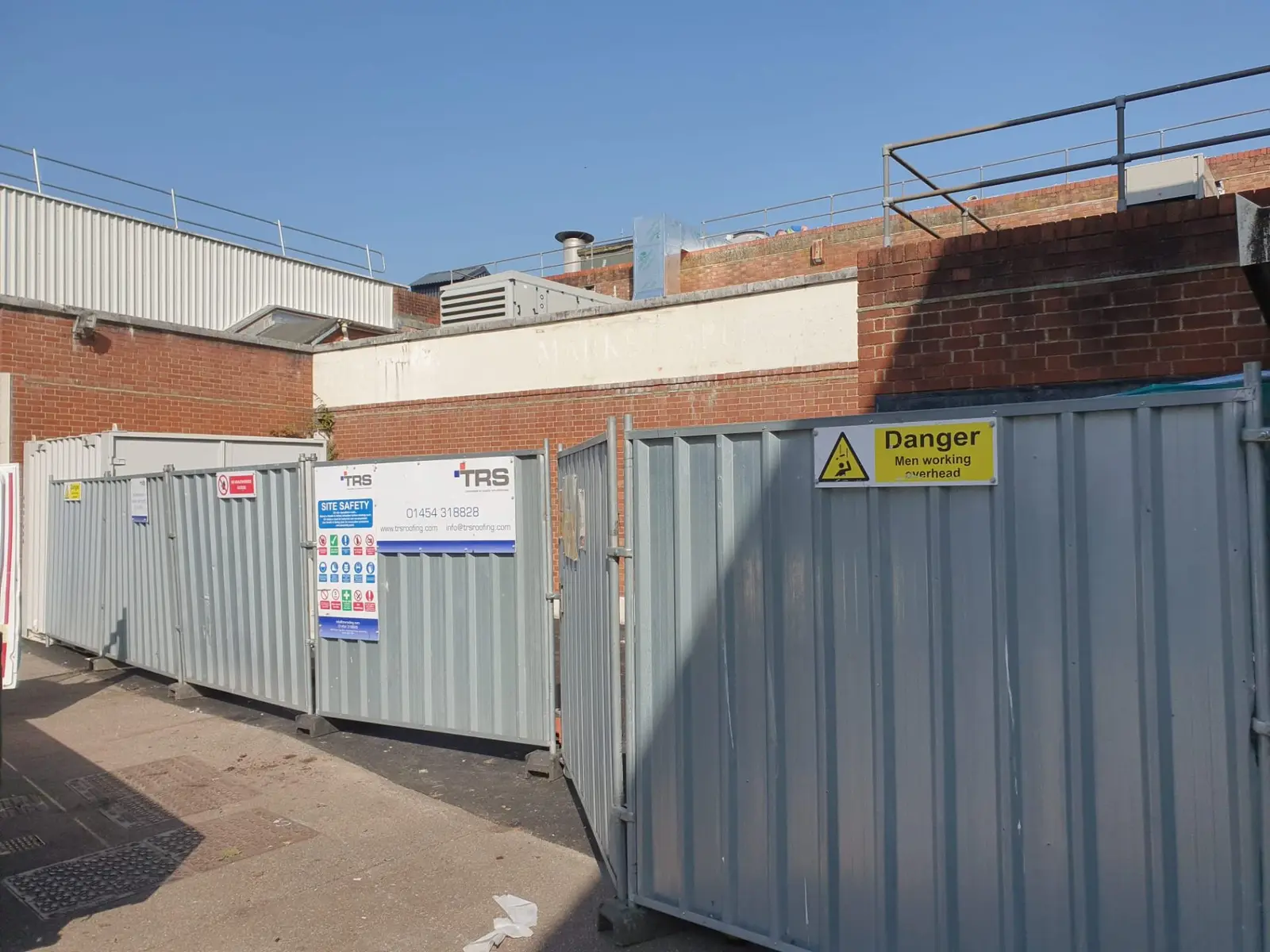
Roofing work involves significant risks, particularly when working at height and operating on live or occupied buildings. We plan, manage and monitor every project with health and safety at the forefront. This runs from pre-construction planning and site-specific risk assessments to daily supervision, inspections and ongoing communication.
Our approach is practical and project-specific. Controls are developed around the building, the work being completed and the people who may be affected. Where TRS acts as Principal Contractor, we coordinate the wider construction phase and maintain clear responsibility for site safety throughout delivery.
Plan before work starts
Construction-phase planning, site-specific RAMS, access arrangements and emergency procedures are established before roofing work begins.
Manage work at height
Suitable access, edge protection, fall-prevention measures and rescue arrangements are selected for each project.
Protect occupied buildings
Works are coordinated to control access, deliveries, noise, dust, falling-object risks and disruption to building users.
Monitor throughout delivery
Site supervision, inspections, briefings and reporting are used to check that agreed controls remain effective as the project progresses.
Principal Contractor delivery
On projects where TRS is appointed as Principal Contractor under CDM 2015, we plan, manage, monitor and coordinate the construction phase. The role does not apply to every contract, and the arrangements are always set out for the specific project.
Where TRS is not appointed to that role, we work to the Principal Contractor's plan and site rules and provide the information required for the works we deliver.
- Construction-phase planning
- Coordination of subcontractors
- Site inductions and briefings
- Welfare and site access
- Temporary works and lifting operations
- Emergency arrangements
- Communication with clients and building users
- Maintaining safe operations on live sites
Planned for the project, not copied from the last one
Risk assessments, method statements and site controls only work when they reflect the actual building, the roofing system being installed, the access required, the programme and the operational environment around the works.
- Project-specific RAMS
- Daily briefings and dynamic risk assessment
- Hot-work controls
- Fire prevention
- Material storage
- Exclusion zones
- Lifting and delivery planning
- Housekeeping
- Weather monitoring
- Emergency and rescue arrangements
Competent people, properly supervised
Before employees or subcontractors are allocated to a project, we consider the work activity, the equipment involved and the environment they will be working in. We then check that the relevant training, competence and experience are in place for that scope.
Supervision is matched to the work. Site management brief operatives on the agreed method, monitor the work as it progresses and escalate anything that needs to change. Subcontractors are assessed before appointment and are expected to evidence the competence required for the tasks they carry out. Training and competence records are reviewed and can be provided for a specific project on request.
Quality controlled throughout delivery
Quality control starts with understanding the specification and continues through installation, recorded checks, corrective action and handover. Manufacturer inspections and guarantees apply where they are included within the specified system.
Commercial roof guarantees explained- Specification reviews
- Pre-start coordination
- Inspection of substrates and existing construction
- Installation checks
- Photographic quality records
- Progress reporting
- Manufacturer inspections where applicable
- Snagging and final inspections
- Guarantees and handover documentation where included within the specified system
Environmental responsibility on site
Environmental arrangements are planned in proportion to the project and the site, with practical controls agreed before the works start.
- Waste segregation
- Responsible disposal
- Reducing unnecessary material waste
- Protection against pollution
- Controlled storage of products
- Consideration of building occupants and neighbours
Planning a commercial roofing project?
Speak to TRS about the roof condition, access requirements, building use and the responsibilities needed to deliver the work safely.