
Heritage and historically sensitive buildings
Heritage roof refurbishment on historically sensitive buildings
Museums, civic and community buildings and older industrial structures ask two things of a roof at once: keep the appearance and fabric the building is valued for, and perform like a roof on a building in use today.
TRS works as the roofing contractor alongside the client's architect, surveyor or conservation adviser — matching existing detailing, protecting historic fabric, and coordinating the specialist trades a sensitive roof repair usually needs.
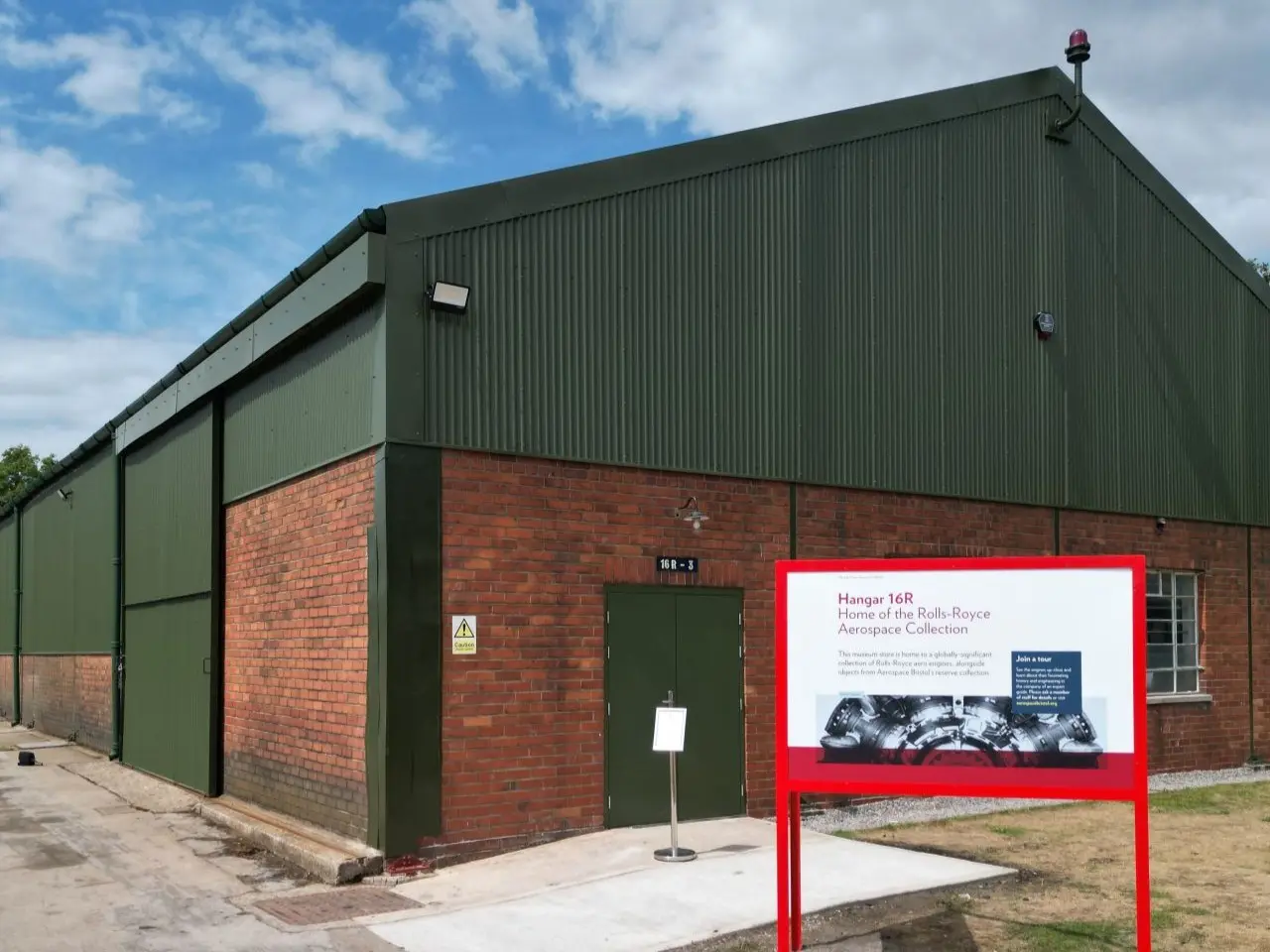
What shapes a heritage roof project
On historically sensitive buildings the specification is shaped as much by fabric and consent as by condition:
Appearance is part of the asset. Profiles, finishes, rainwater goods and visible details usually have to match what is already there.
Consent may be required. Where listed building consent, planning permission or conservation input applies, it is project-specific and normally led by the client's professional team.
Original construction is rarely standard. Substrates, fixings, valleys and rainwater goods often need bespoke fabrication rather than catalogue products.
Many of these buildings remain in daily use as museums, civic or community premises, so fabric, occupants and visitors all need protecting at once.
How TRS approaches historically sensitive roofs
The starting point is recording what is there: original construction, later alterations, fixing condition and the actual reason the roof is failing. That evidence is what a design team or conservation officer needs in order to agree an approach, and it keeps the discussion factual rather than aesthetic.
Detailing is then treated as a fabrication problem rather than a product-selection problem. Matching profiles, bespoke flashings, cappings and traditional rainwater goods are specified and made to suit the building, with performance improvements introduced only where the construction and the design team allow.
TRS is also a commercial roofing contractor, so this work is delivered with proper site management: CDM duties where TRS is appointed as Principal Contractor, protection of internal fabric and finishes, and buildings kept usable and safe while the works proceed.
Who does what on a heritage roof project
TRS is a roofing contractor, not a conservation architect or heritage consultant. On sensitive buildings it helps to be explicit about where each responsibility sits:
Delivered directly by TRS
Roof survey and condition recording, metal roofing, flat roof areas, gutters and rainwater goods, rooflights, flashings and associated roof-level repairs, plus site management where TRS is appointed as Principal Contractor.
Coordinated by TRS
Specialist work such as leadwork, slate and tile interfaces, masonry or timber repair, scaffolding and temporary roofing, and asbestos removal is undertaken or coordinated by TRS where appropriate, using specialists suited to the building.
Led by the client's professional team
Conservation strategy, statements of significance, consent applications and planning matters are normally led by the building's architect, surveyor or conservation adviser. TRS supplies the condition evidence and buildability input they need.
Access and temporary weathering
Scaffold design, fabric protection and temporary roofing are planned so opened areas stay protected for as long as the detail work needs, rather than being rushed to close each night.
Repair, replicate or replace? What the survey establishes
On historically sensitive buildings the default position is retention and repair of original fabric. What follows depends on evidence:
What is original and what is later
Recording original construction and subsequent alterations matters, because later additions often allow options the original fabric does not.
Why the roof is failing
Fixing failure, corrosion, blocked or undersized rainwater goods and failed later repairs all point to different scopes, and the reason has to be established before a specification is written.
Whether the profile can be matched
Some traditional profiles and rainwater goods remain available or can be fabricated. Where an exact match is not possible, the options and their visual impact are set out rather than assumed.
Whether consent is likely to be needed
Like-for-like replacement is not automatically acceptable, and consent requirements vary by building and authority. This is confirmed with the client's professional team, not assumed by TRS.
What performance improvement is possible
Insulation, underlay, ventilation and fixing upgrades can sometimes be introduced within the existing build-up. What is achievable depends on the construction and on what the design team can support.
What may be uncovered
Concealed timber, masonry or structural defects are common on older roofs. Contingency and a route for agreeing additional works belong in the programme from the start.
Services most often delivered on heritage roofs
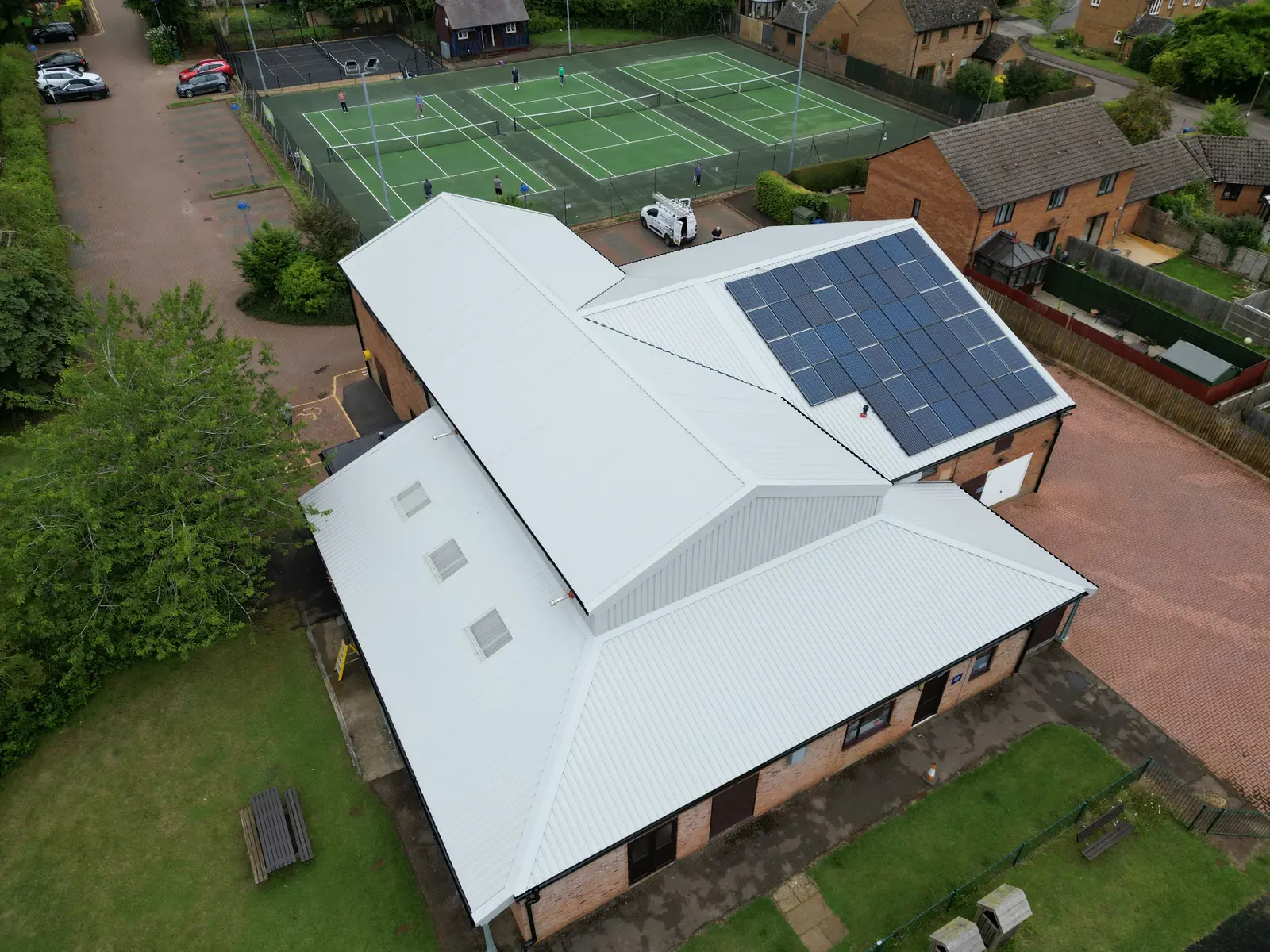
Roof Surveys
Detailed condition surveys recording original construction, later alterations and what should be retained or replicated.
View service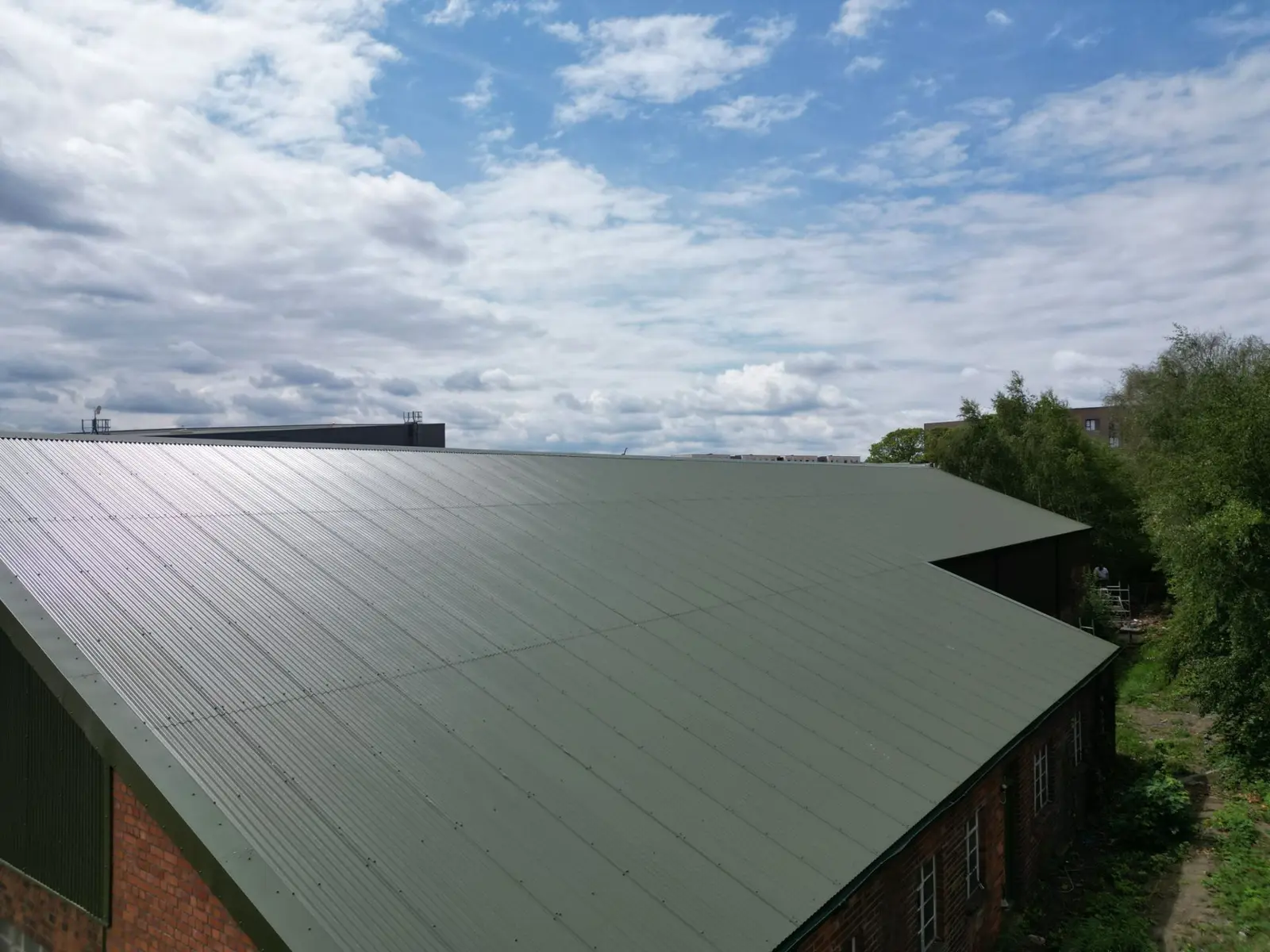
Metal Roofing
Sinusoidal and traditional profiled sheeting, sympathetic replacement and repair of older metal roofs.
View service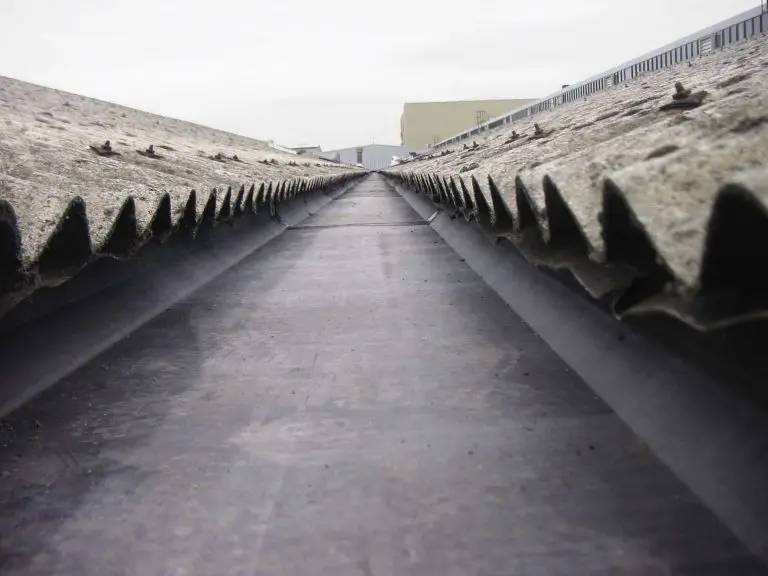
Gutters & Rainwater Systems
Repair and replacement of traditional gutters, hoppers and downpipes, restoring capacity while keeping appearance.
View service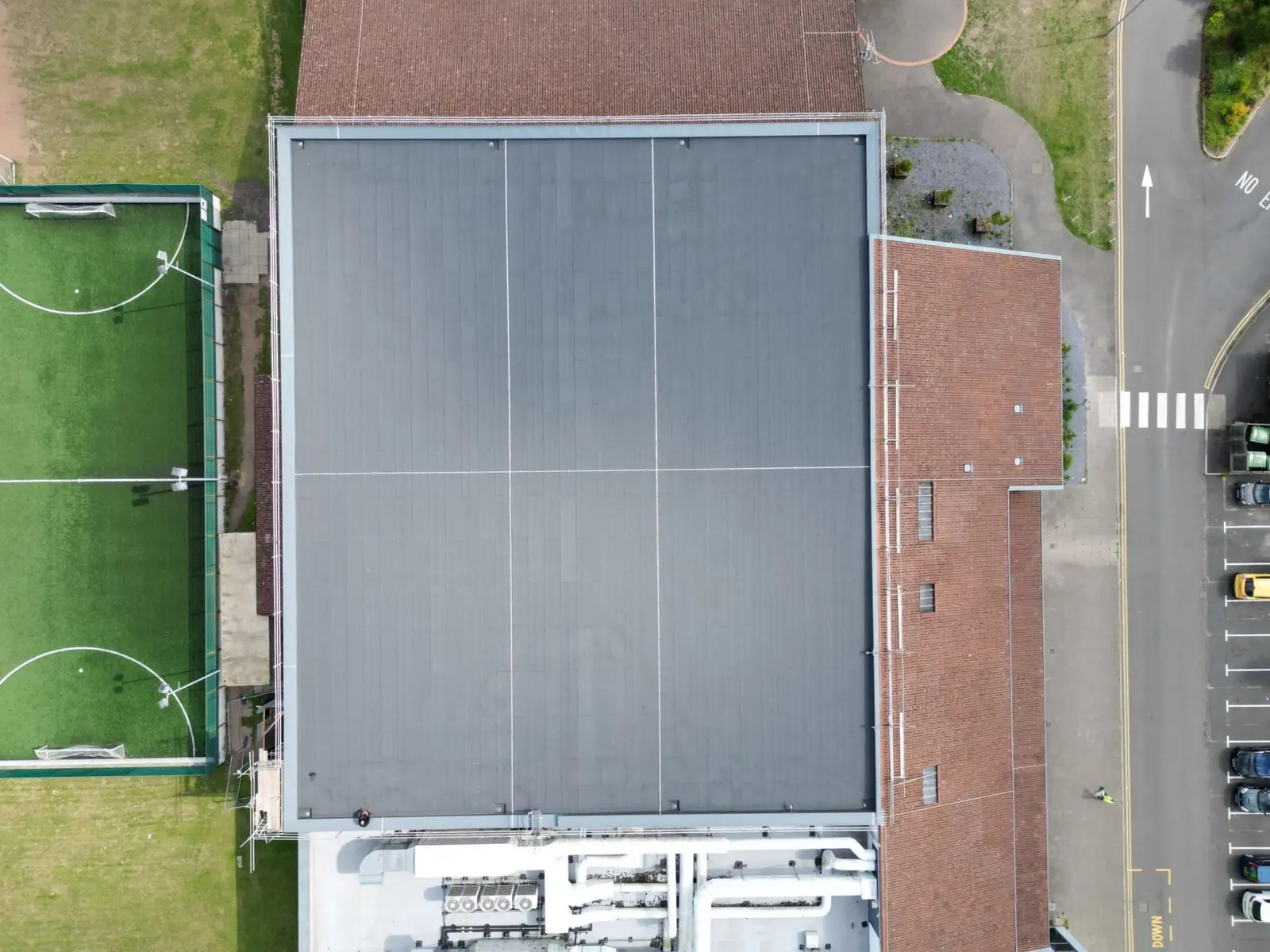
Flat Roofing
Concealed flat areas, valleys and later extensions upgraded without altering the visible roofscape.
View service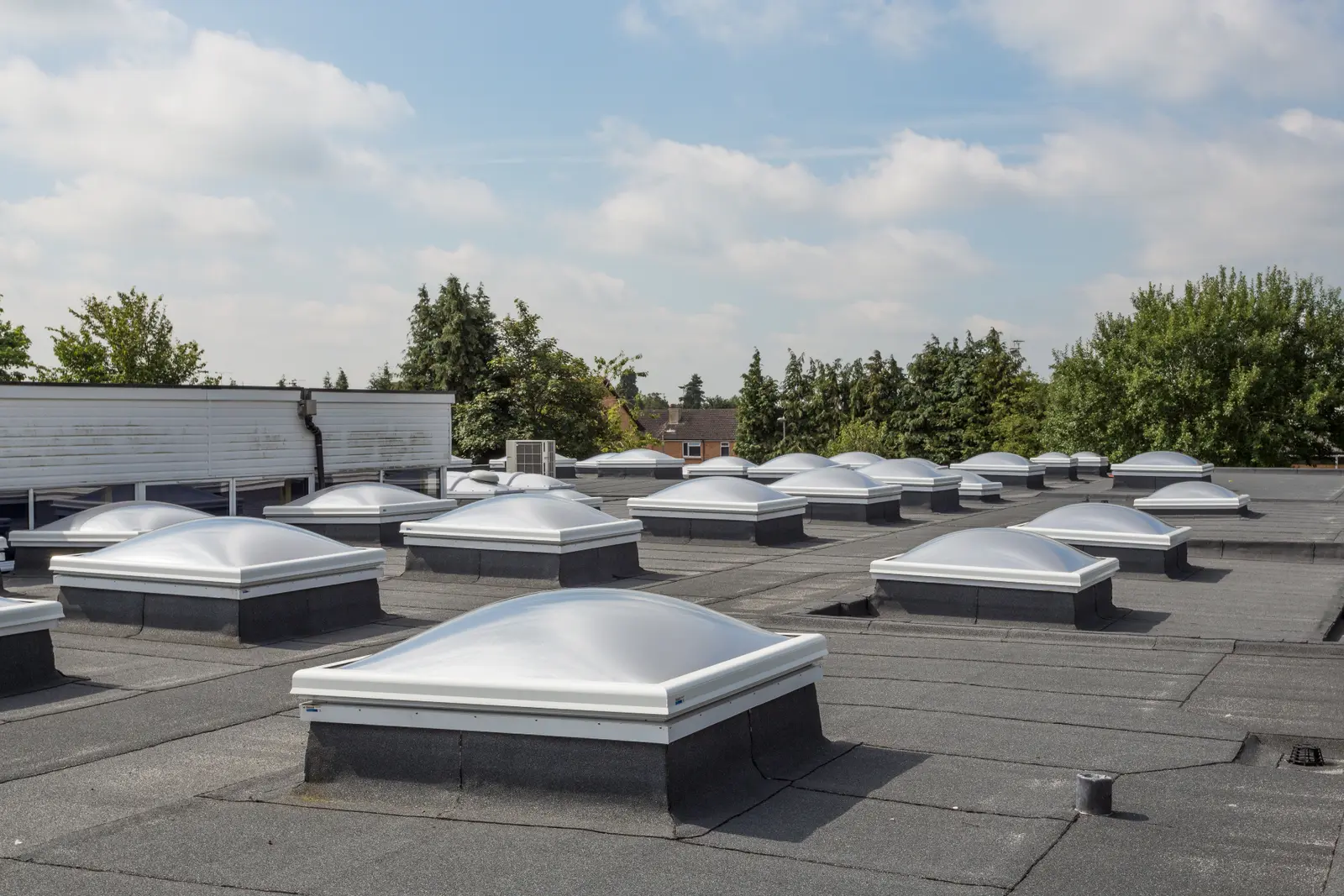
Rooflights
Replacement or refurbishment of older and conservation-style rooflights to restore daylight and weather-tightness.
View service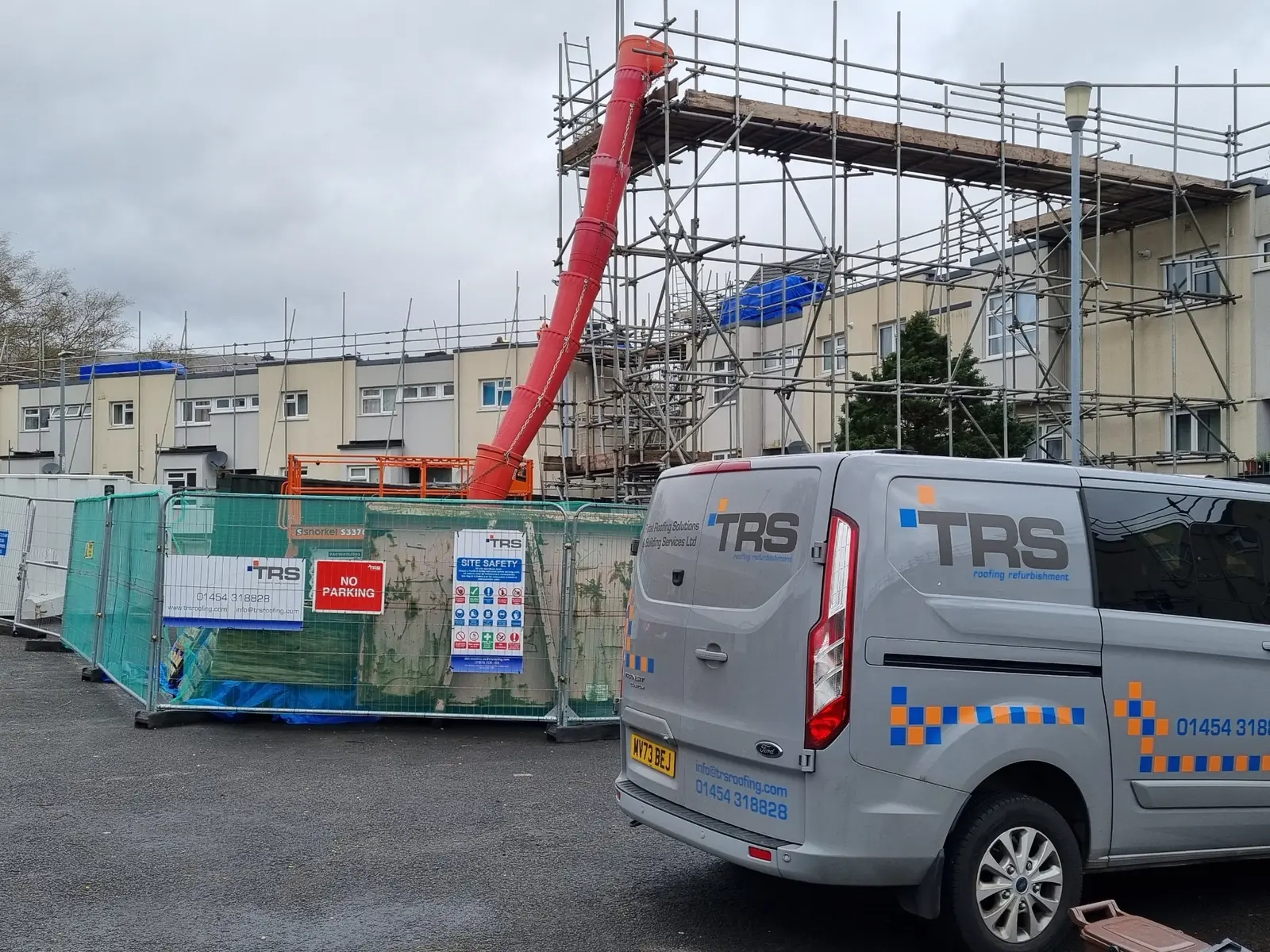
Associated Building Works
Masonry, timber, fascia and leadwork repairs that form part of a proper roof repair on an older building.
View service
Heritage roofing questions
Yes, as the roofing contractor. We work alongside the building's surveyor, architect or conservation adviser so the specification reflects what the professional team can support, rather than what is simplest to install. TRS does not hold conservation accreditation and does not act as heritage consultant.
That is project-specific. Whether consent or planning permission is required, and what it covers, depends on the building, its designation and the extent of change proposed. It is normally established and applied for by the client's professional team, and it should be assumed to take time.
Often. Traditional profiles such as sinusoidal sheeting remain available, and bespoke flashings, cappings and rainwater goods can be fabricated to match existing. Where an exact match is not achievable, we set out the closest options and their visual implications.
No. Like-for-like is a common starting point, but it is not automatically acceptable and it is not always the best technical answer. The approach has to be agreed with the design team and, where applicable, the relevant authority.
Sometimes. Insulation, underlays, ventilation and fixing upgrades can often be introduced within the existing build-up so the visible roof is unchanged. What is possible depends on the construction, the space available and what the design team supports.
That is the default position on historically sensitive work: retain and repair original fabric, with replacement limited to elements genuinely beyond serviceable life. The survey sets out which is which and why.
Concealed timber, masonry and structural defects are common on older roofs. They are recorded, reported with photographs, and priced as a variation for agreement before proceeding. Where structural or specialist input is needed, it is coordinated with the client's professional team.
Frequently, yes. Works are phased, internal finishes and fabric are protected, and access and working hours are agreed around how the building is used. Some detail work still needs short possession of the area below.
Heritage roof refurbishment
Planning works on a historically sensitive building?
If you need a detailed condition survey, sympathetic repair options, or roofing input for your design team ahead of a consent application, get in touch.