
Commercial roof guarantees explained
The different guarantees available on commercial roofing systems and what they actually cover.
Roof Surveys & DefectsBudget & ProgrammeGuarantees & ComplianceBy TRS RoofingPublished 31 Jul 20266 min read
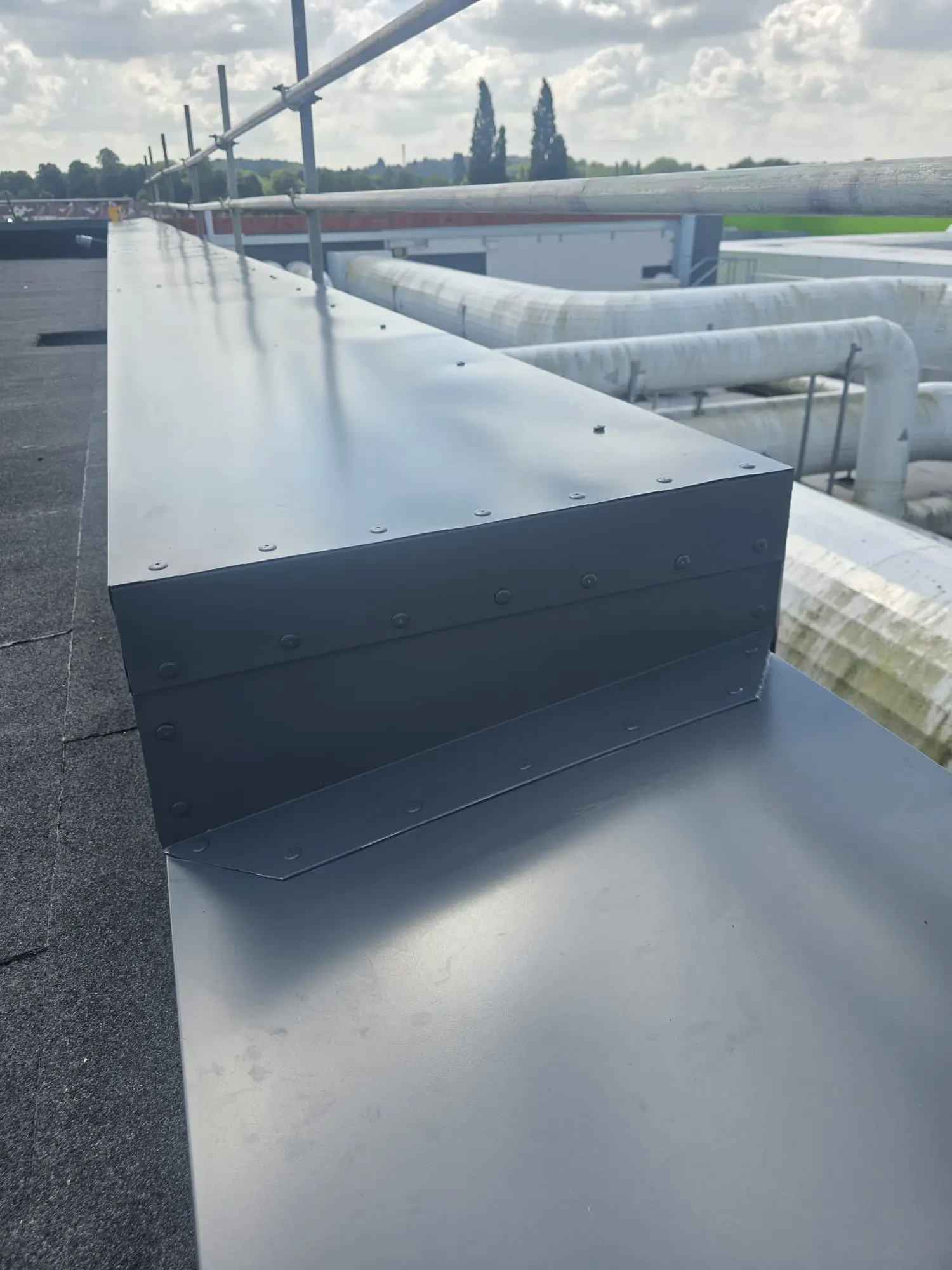
The different guarantees available on commercial roofing systems and what they actually cover.
Download this guide. A clear comparison of product guarantees, insurance-backed guarantees, metal coating guarantees and single-point guarantees. Useful when reviewing specifications or tenders.
Download the Guarantees GuideWhen a commercial roof is specified or refurbished, the guarantee is often treated as a simple tick box. In reality the type of guarantee on offer can make a significant difference to the level of protection the building owner actually receives.
Product only cover, insurance backed schemes, metal coating warranties and single point guarantees that include workmanship are not interchangeable. Each has different strengths, limitations and conditions. This article explains the main types of commercial roof guarantee in plain terms so that surveyors and estates managers can ask the right questions before a system is selected or a contract is placed.
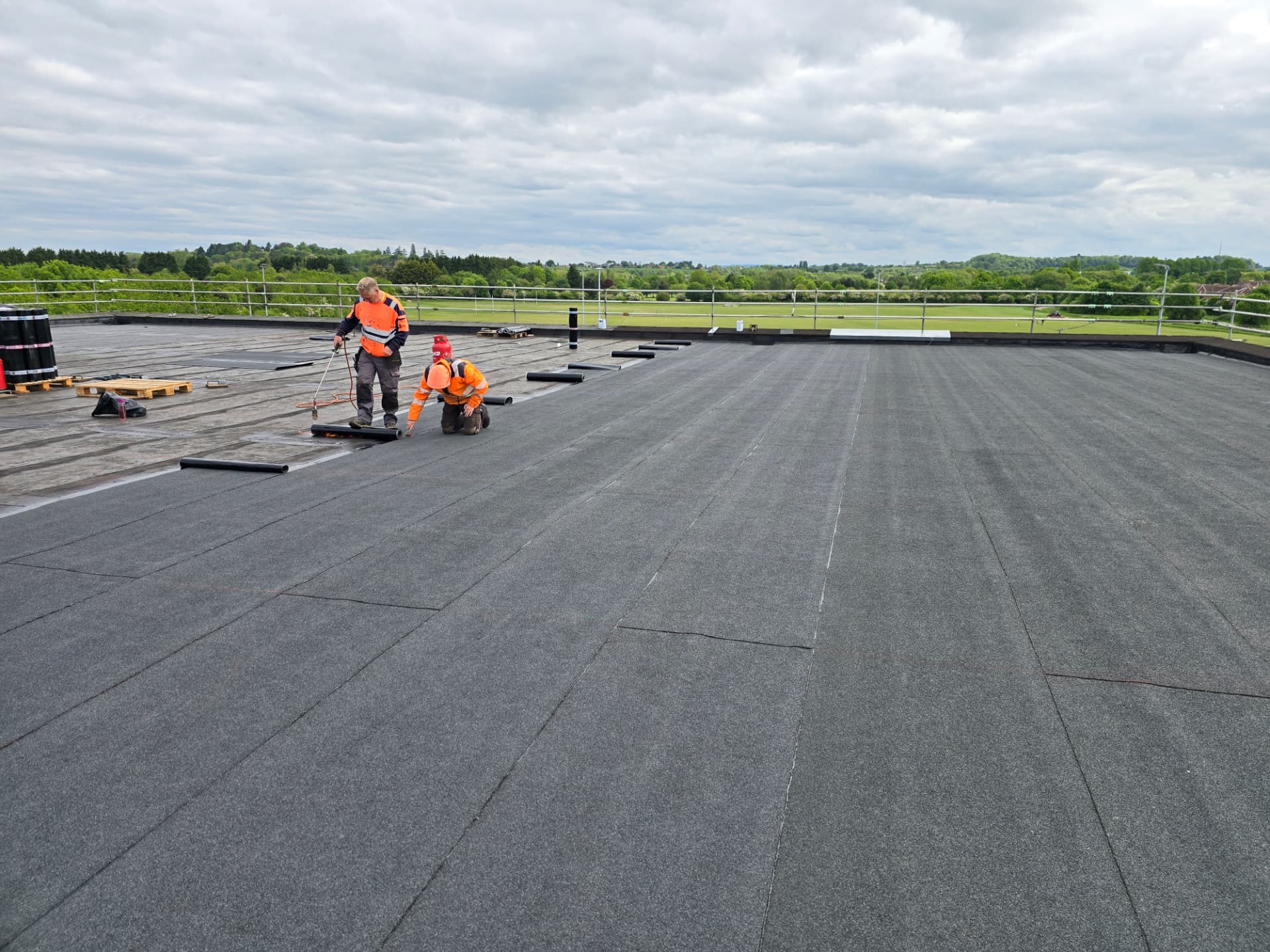
A product guarantee is issued by the material manufacturer and covers defects in the product itself. It typically protects against manufacturing faults such as premature degradation of the membrane, coating failure or delamination under normal conditions.
What it usually does not cover is the quality of the installation. If the product fails because it was installed incorrectly, on an unsuitable substrate, or without the correct detailing, the product guarantee will often not respond. Responsibility then falls back to the contractor or is left with the client.
Product guarantees can still be valuable, but they should be read carefully. The duration, exclusions and the need for the installer to be approved by the manufacturer all affect how much real protection is provided.
Insurance backed guarantees add a layer of financial security. Instead of relying solely on the contractor or manufacturer remaining in business, an insurance policy underwrites the guarantee. If the original company cannot meet a valid claim, the insurer steps in.
These schemes are common in the UK and are often required by clients who want longer term certainty. They are not automatic. The installation usually has to be registered, the contractor has to meet certain criteria, and the policy will contain its own terms, excesses and exclusions.
An insurance backed guarantee can provide useful extra protection, but it is only as good as the underlying workmanship and the conditions of the policy. It does not turn a poor installation into a reliable one.
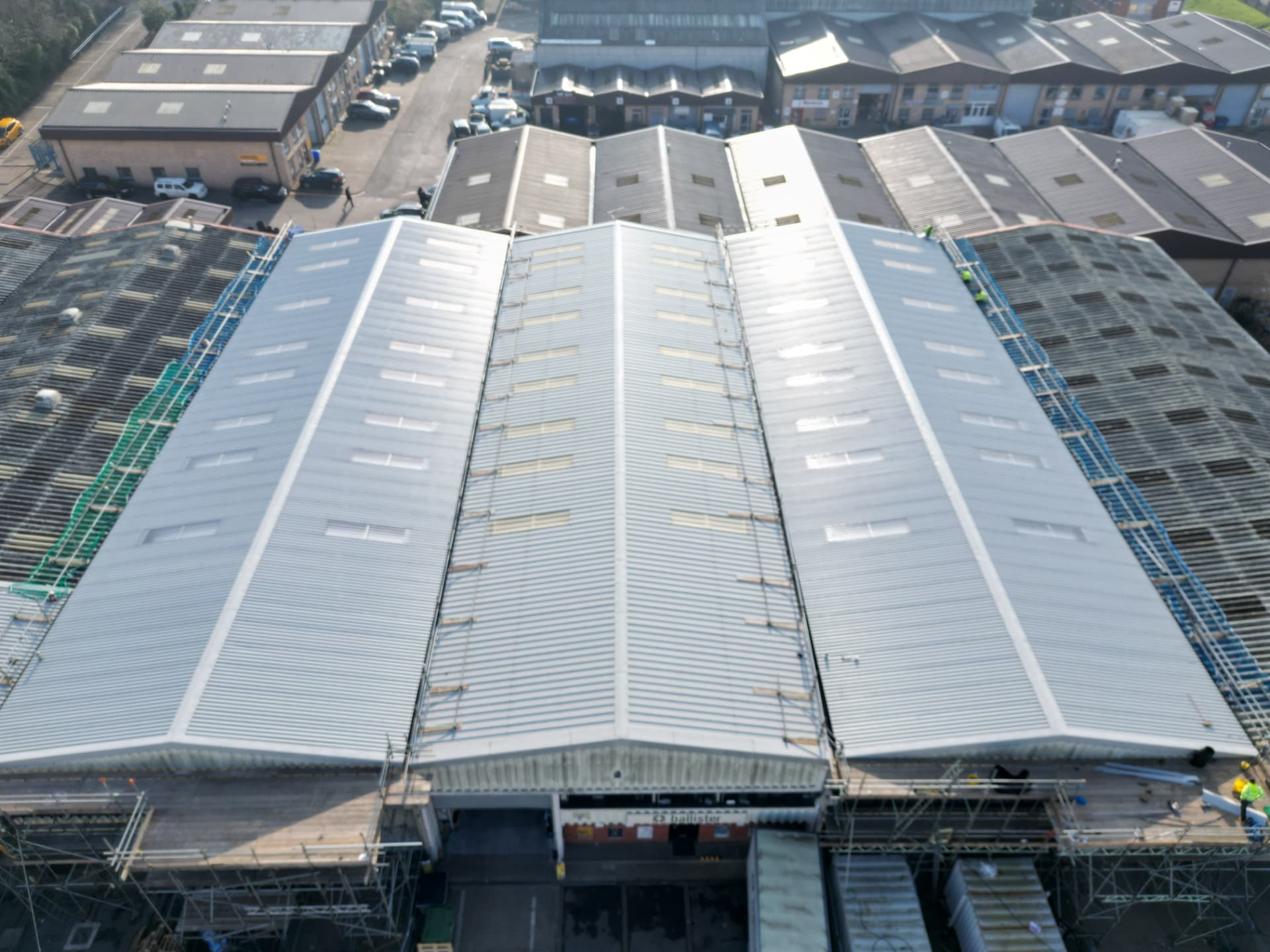
On profiled metal roofs the most common form of cover is a coating or finish guarantee. This typically covers the decorative and protective coating against excessive colour change, chalking or corrosion under normal environmental conditions.
These guarantees are often longer than many people expect, sometimes running for several decades. However they are almost always limited to the coating performance. They do not usually cover the weathertightness of the roof, the fixings, the side laps, cut edges, or the quality of the installation.
Cut edge corrosion, failed fasteners and detailing problems are among the most frequent causes of water ingress on older metal roofs. A coating guarantee alone will not address those issues. Clients and surveyors should be clear about exactly what is and is not included before relying on this type of cover.
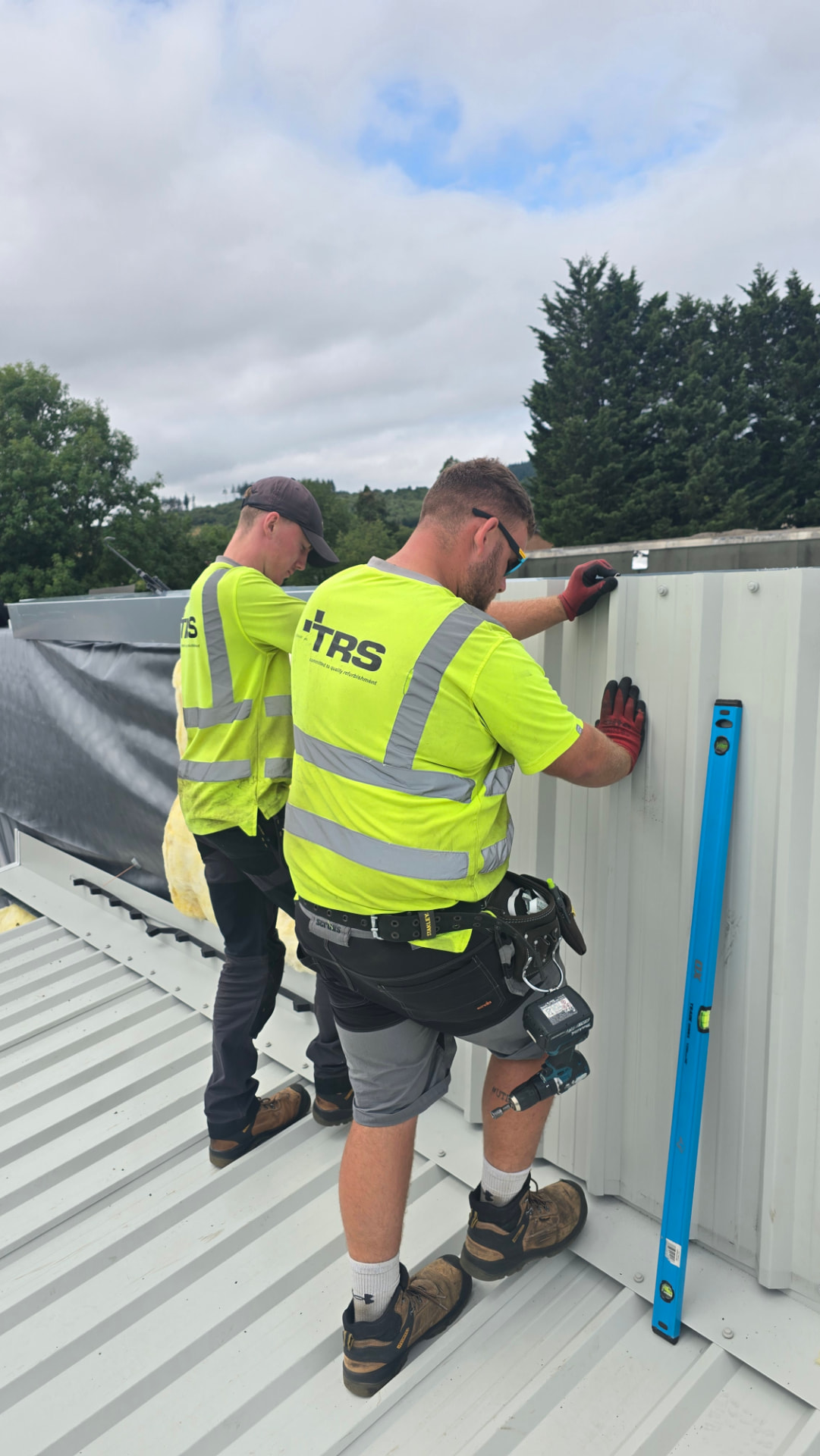
Some system suppliers offer a single point guarantee that covers both the materials and the workmanship of the installing contractor. In these cases the manufacturer or system provider takes primary responsibility for the performance of the completed roof, provided it has been installed by an approved contractor in accordance with their specification.
This type of arrangement is often preferred by clients and their advisors because it avoids the common situation where the manufacturer and the contractor each point to the other when a problem arises. One party stands behind the finished roof.
Single point guarantees that include workmanship usually come with strict conditions. The contractor must be trained and approved, the design and detailing must follow the system provider’s requirements, and the project must be registered. When these conditions are met, the level of protection is generally stronger than a product only or coating only guarantee.
| Type of Guarantee | What it typically covers | What it usually does not cover | Best for | Key limitation |
|---|---|---|---|---|
| Product Guarantee | Manufacturing defects in the material itself | Workmanship, incorrect installation, detailing | Basic material protection | Leaves the client exposed if installation is poor |
| Insurance-Backed Guarantee | Financial backing if the original company fails | Still relies on the quality of the original work | Clients wanting longer-term financial security | Does not improve a poor installation |
| Metal Coating Guarantee | Performance of the decorative/protective coating (colour, chalking, corrosion) | Weathertightness, fixings, laps, cut edges, workmanship | Appearance and coating longevity on metal roofs | Does not protect against the most common causes of leaks |
| Single-Point Guarantee (including workmanship) | Both the materials and the workmanship of the approved installer | Only applies if installed exactly to the system specification | Clients who want clear accountability | Strict conditions — contractor must be approved and project registered |
Before accepting any guarantee it is worth confirming several practical points:
Who actually issues the guarantee and who stands behind it if a claim is made.
Whether workmanship is included or whether cover is limited to the product or coating.
What the main exclusions are, especially around maintenance, alterations, ponding, or unusual exposure.
Whether the installation has to be registered and whether the contractor needs to be approved.
How long the cover lasts and whether it is reduced or becomes conditional after a certain number of years.
A longer guarantee is not automatically better if the scope of cover is narrow or the conditions are difficult to meet.
On a commercial or public sector building the cost of putting a roof right after failure is rarely limited to the roofing materials. Temporary protection, internal damage, disruption to occupants and the cost of investigation all add up.
A guarantee that only covers the product, or only the coating, may leave significant gaps. A single point guarantee that includes workmanship, when properly set up, reduces the number of parties involved in a claim and gives clearer accountability.
Understanding the differences allows the client and the surveyor to match the level of cover to the risk profile of the building rather than simply accepting whatever is offered with the cheapest system.
Commercial roof guarantees are not all the same. Product guarantees, insurance backed schemes, metal coating warranties and single point guarantees that cover workmanship each offer a different balance of protection and responsibility.
The most useful guarantee is the one that clearly covers the risks that matter on that particular project and is backed by a party that can still be relied upon years later. Taking time to understand the scope, conditions and limitations at specification stage is one of the simplest ways to avoid disappointment later.
At TRS we regularly help clients and their surveyors compare the real protection offered by different guarantee structures so that the final recommendation is based on clarity rather than assumptions.
If you would like a second opinion on the guarantee position for a current or proposed roofing project, feel free to get in touch.
Related
Speak to TRS
For a project-specific recommendation, a TRS survey turns generic guidance into a definite scope, programme and budget.