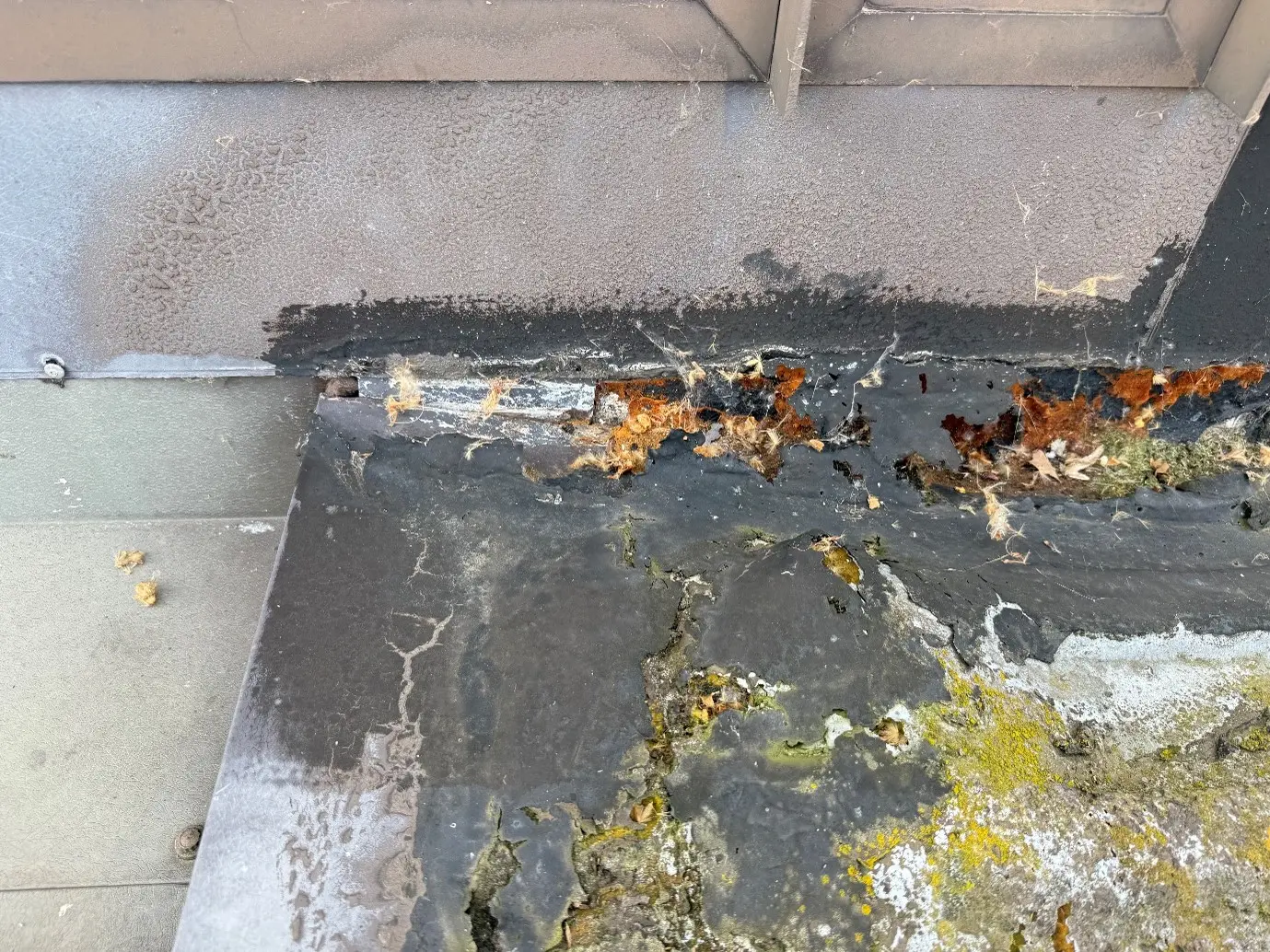
Common failures missed on first inspections of metal roofs, fixings, laps, penetrations, hidden moisture and previous repair history. Practical guidance for surveyors and project teams.
Metal RoofingBy TRS RoofingPublished 23 Jul 20264 min read
Introduction
A first inspection of a metal roof can look straightforward on paper, but in reality it’s one of the easiest areas to misinterpret on a building survey.
From ground level or even a brief roof access visit, a metal roof can appear serviceable when in fact there are early signs of failure that are not immediately obvious without knowing what to look for.
This is something we see regularly on live projects, particularly on industrial and commercial buildings where roofs have had multiple repair cycles over their lifespan.
This article sets out some of the most common things that tend to be missed during initial inspections, and what to look out for instead.
Surface condition vs system condition
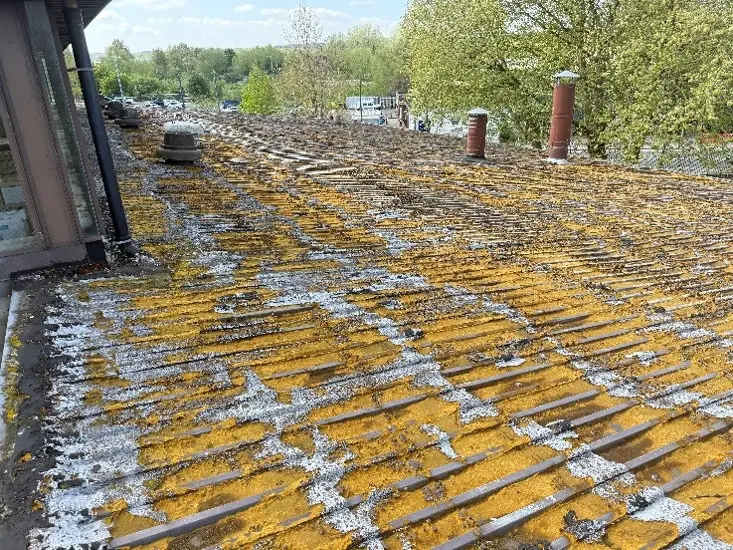
One of the most common mistakes is judging the roof based on surface appearance alone.
A roof sheet can look visually acceptable while the underlying system is failing.
Key areas often missed include:
Fixing failure beneath the sheet surface
Perished or inconsistent insulation
Loss of structural integrity at laps and joints
Hidden corrosion under coatings or overlays
A clean roof is not always a healthy roof.
Fixings and fastener deterioration
Fixings are one of the most critical failure points in metal roofing systems, yet they are often overlooked during initial inspections.
Common issues include:
Backed-out screws due to thermal movement
UV degraded sealing washers from being over-tightened
Over-tightened fixings causing sheet distortion
Corrosion at fixing heads hidden under debris or coatings
These issues are rarely visible from a quick inspection unless specifically checked.
Overlapping joints and lap performance
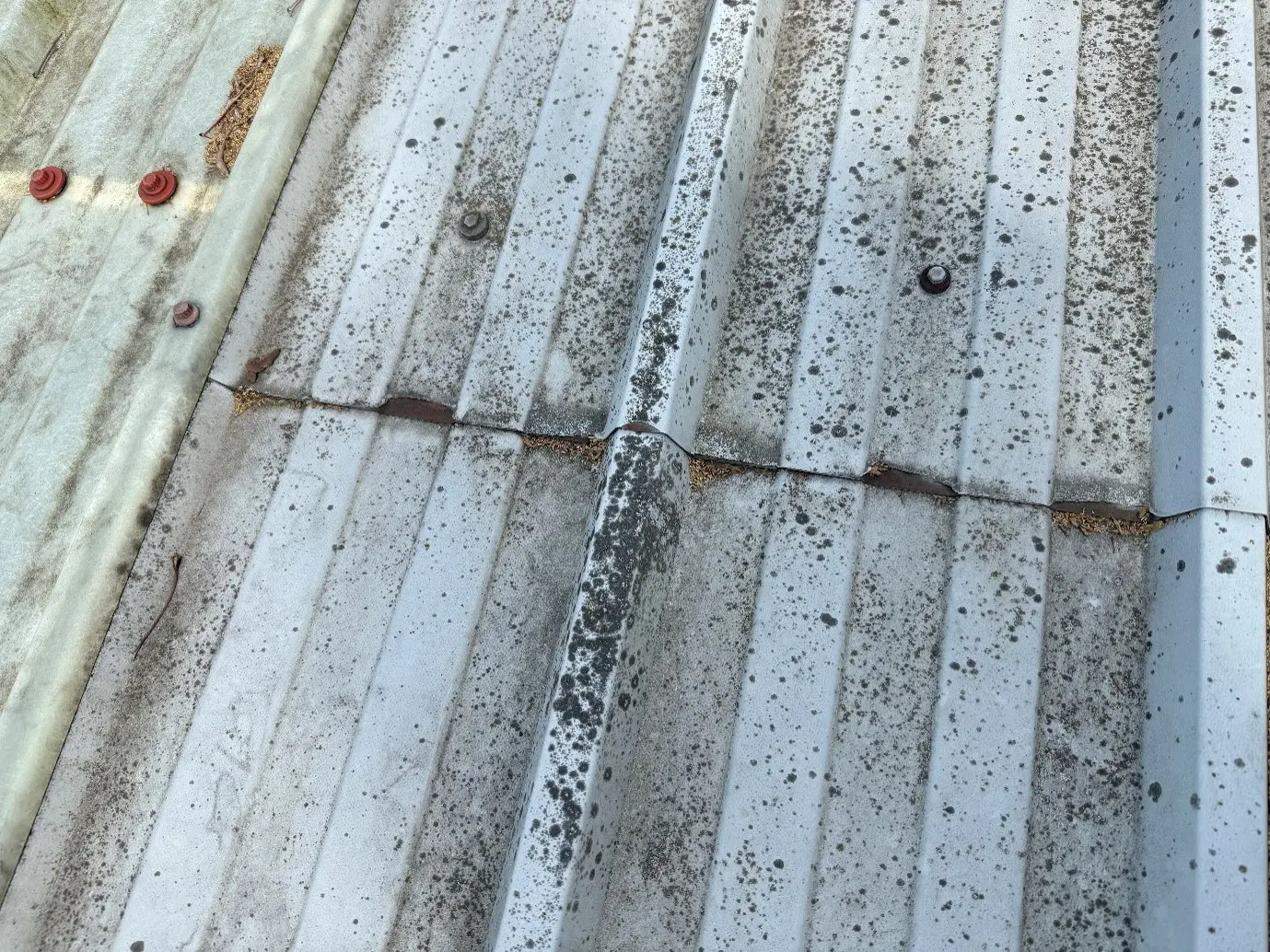
Laps and joints are frequently assumed to remain watertight if no visible leaks are present internally.
However, this is not always reliable.
Typical issues include:
Capillary action drawing water into laps
Incorrect lap direction from previous repairs
Sealant failure within joints
Movement between sheets causing micro-gaps
These defects often develop slowly and go unnoticed until secondary damage appears.
Condition of penetrations and interfaces
Penetrations are one of the highest risk areas on any metal roof.
Common weak points include:
Poorly detailed rooflight upstands
Pipework penetrations without proper flashings
Deteriorated mastic or sealant systems
Interface failure between dissimilar materials
Even well-maintained roofs often fail at these transition points first.
Hidden moisture and condensation issues
A visual inspection will not always reveal moisture-related problems within the roof build-up.
Things often missed:
Condensation forming beneath sheets due to missing AVCL layers
Wet insulation with no external indication
Thermal bridging at support points
Poor ventilation in refurbished systems
These issues tend to present later as internal deterioration rather than immediate leaks.
Previous repair history and patchwork systems
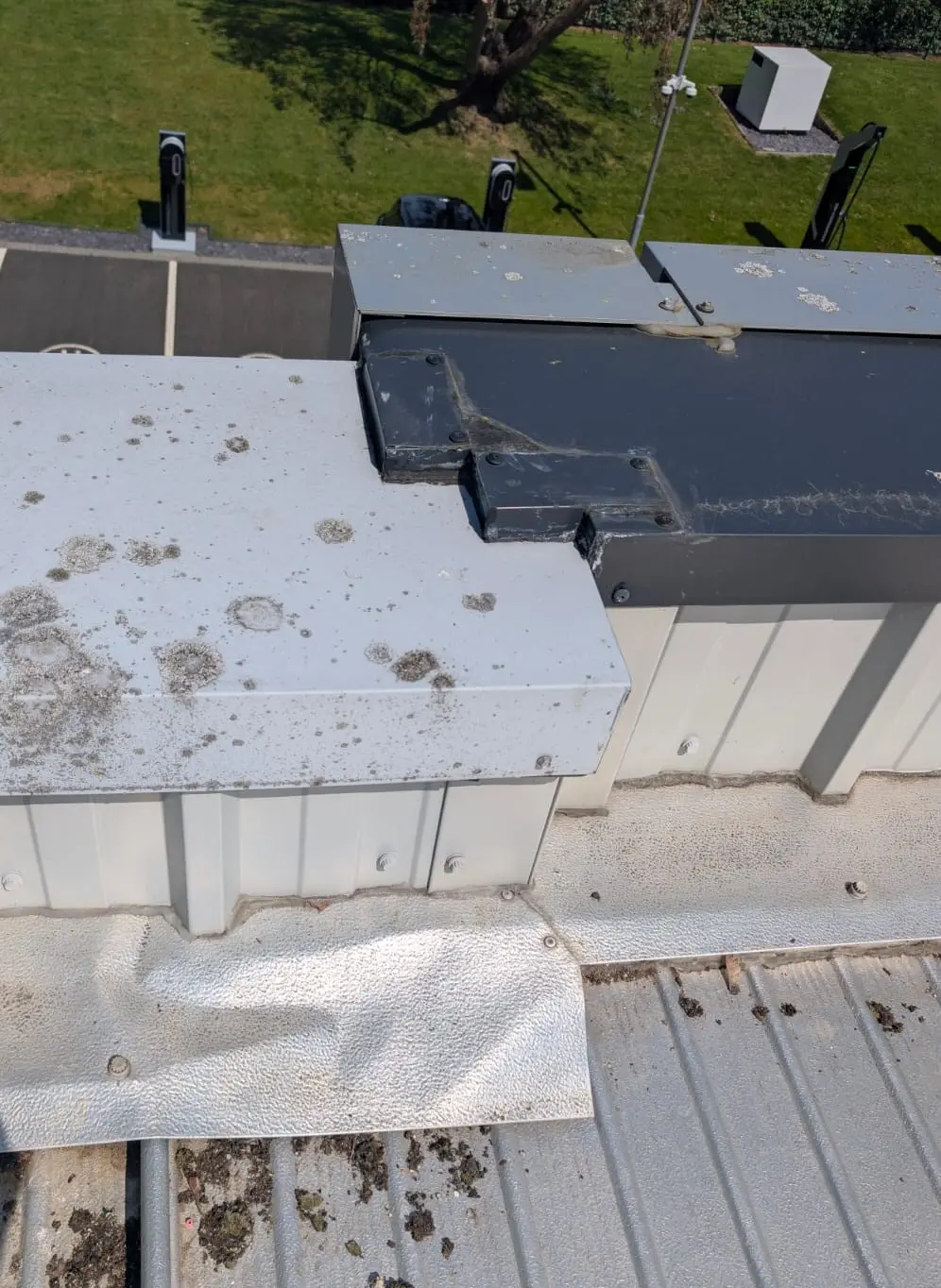
Many metal roofs have undergone multiple repair interventions over time.
This can result in:
Mixed system types on the same roof area
Incompatible materials used in past repairs
Overlapping warranties or unknown installation standards
Hidden structural inconsistency across zones
Understanding the repair history is often as important as the physical inspection itself.
Conclusion
A first inspection of a metal roof is rarely about what you can immediately see. More often, it is about understanding how the system behaves over time and where failure typically begins.
For people that are new to surveying roofs, developing an awareness of these hidden issues early on can significantly improve the quality of reporting and reduce unexpected issues later in the project lifecycle.
At TRS, we regularly support surveyors and project teams in identifying these risks early and helping to translate site conditions into practical, cost-aware solutions.